Siberian Husky
From USA
The Siberian Husky has long been utilized as a sled dog by the indigenous peoples of eastern Siberia because of its stamina, desire for working, and resilience to harsh temperatures. The breed remains prominent in the Arctic, especially in sports like mushing. Siberian Huskies are calm and affectionate companions, but they require strenuous activity to expend energy. They have a strong pack mentality and need company to live happily. Small animals are natural prey for a Siberian Husky, so possible other pets should be treated with care.
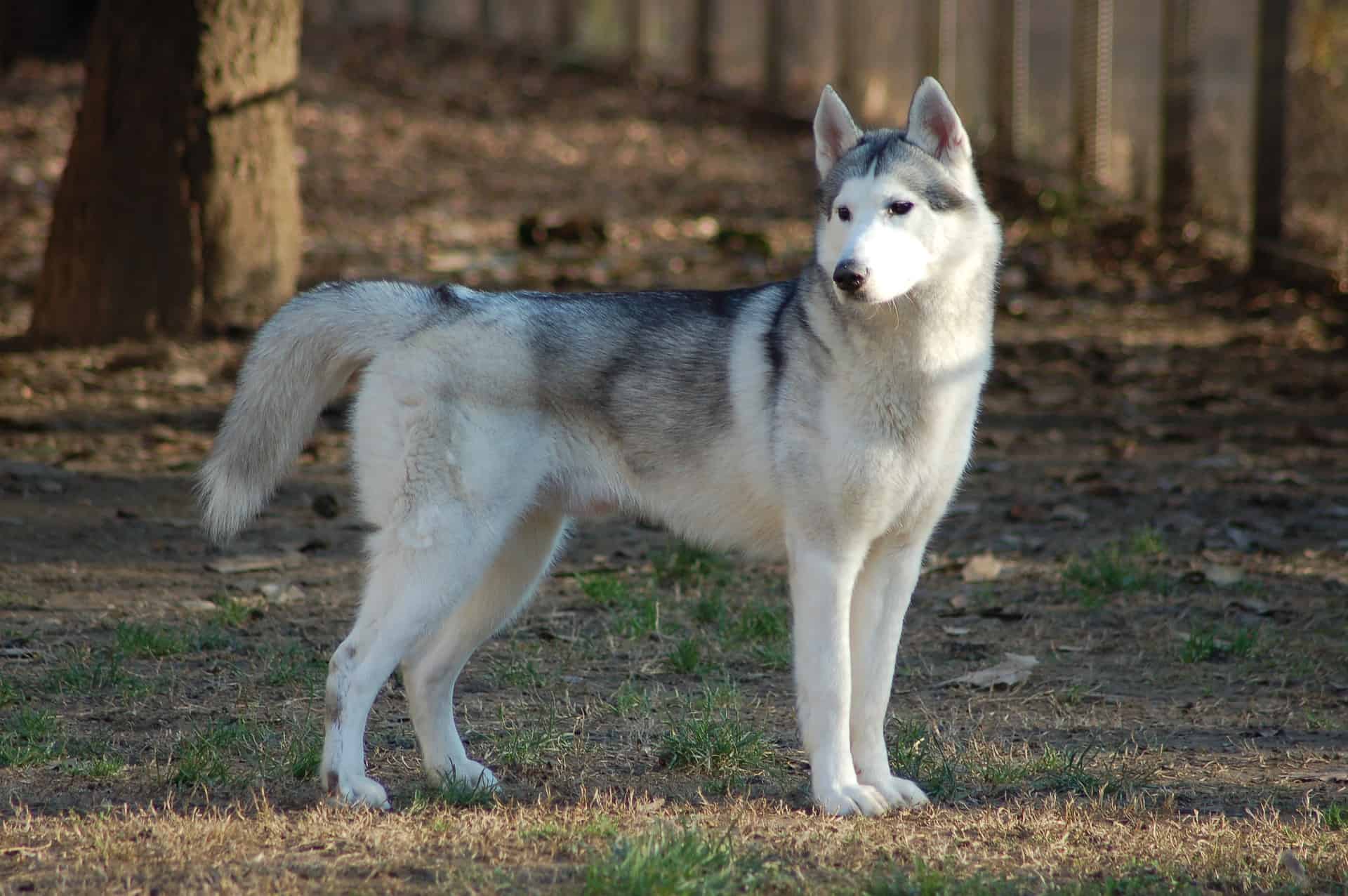
Purpose & Origin
The Siberian Husky was shaped over centuries by the Chukchi people of northeast Asia, who needed a dog capable of hauling light loads across vast frozen distances on minimal food. The breed is classic spitz stock: wedge-shaped head, thick double coat, and a build tuned for endurance over raw power. It arrived in Alaska in 1909, entered in the All-Alaska Sweepstakes, a grueling 408-mile race between Nome and Candle.
Smaller and less imposing than rival teams, the Chukchi huskies were largely dismissed until a racer impressed enough to import seventy of them placed three teams in the top four the following year. The breed's reputation was sealed in 1925, when relay teams covered 340 miles to deliver diphtheria serum to Nome in an emergency that would have otherwise killed many people. A statue in Central Park commemorates that run. The AKC recognised the breed in 1930, and Siberians went on to serve in U.S. Army search-and-rescue units during the Second World War.
Temperament & Behaviour
Fun-loving, mischievous, clever, and stubbornly independent, the Siberian Husky is a high-engagement dog that demands attention and gives it back. It is genuinely affectionate with family and almost indiscriminately friendly toward strangers, which makes it a poor guard dog. The pack instinct is strong: a Husky left alone for long stretches will express its displeasure vocally, through digging, or through chewing. It generally coexists with other household dogs, though it can be aggressive toward unfamiliar ones and will readily chase cats or small livestock. This is not a dog that tolerates solitude well.
Activity & Training
The Husky was bred to run all day, and that heritage does not disappear in a suburban backyard. It needs substantial daily exercise, either a long jog or an off-leash run in a fully enclosed area. The emphasis on enclosure matters: Huskies roam, and a standard fence is not always enough. They pull instinctively and thrive in cold conditions; owners in warmer climates need to manage heat exposure carefully, as the breed has almost no heat tolerance.
Training is a persistent challenge. Ease of training scores near the bottom of any scale, reflecting not a lack of intelligence but a deep streak of independence. The dog understands what is being asked; it simply weighs whether compliance is worth its while. Consistent, patient handling with clear structure works better than force or repetition alone.
Grooming
The double coat is dense enough to insulate against Arctic temperatures, and it sheds accordingly. Weekly brushing keeps the coat manageable during normal periods, but during the two heavy seasonal sheds it needs daily attention to prevent mats and control the volume of loose fur in the home. The Husky is otherwise a fairly clean dog and requires no elaborate bathing schedule.
Health
The Siberian Husky is a hardy breed with a lifespan of eleven to thirteen years. The main concerns are ocular: progressive retinal atrophy, cataracts, and corneal dystrophy all appear in the breed. Hypothyroidism is also noted as a minor concern. Hip dysplasia occurs occasionally. Reputable breeders screen breeding stock through eye and hip evaluations.
Why these breeds are similar
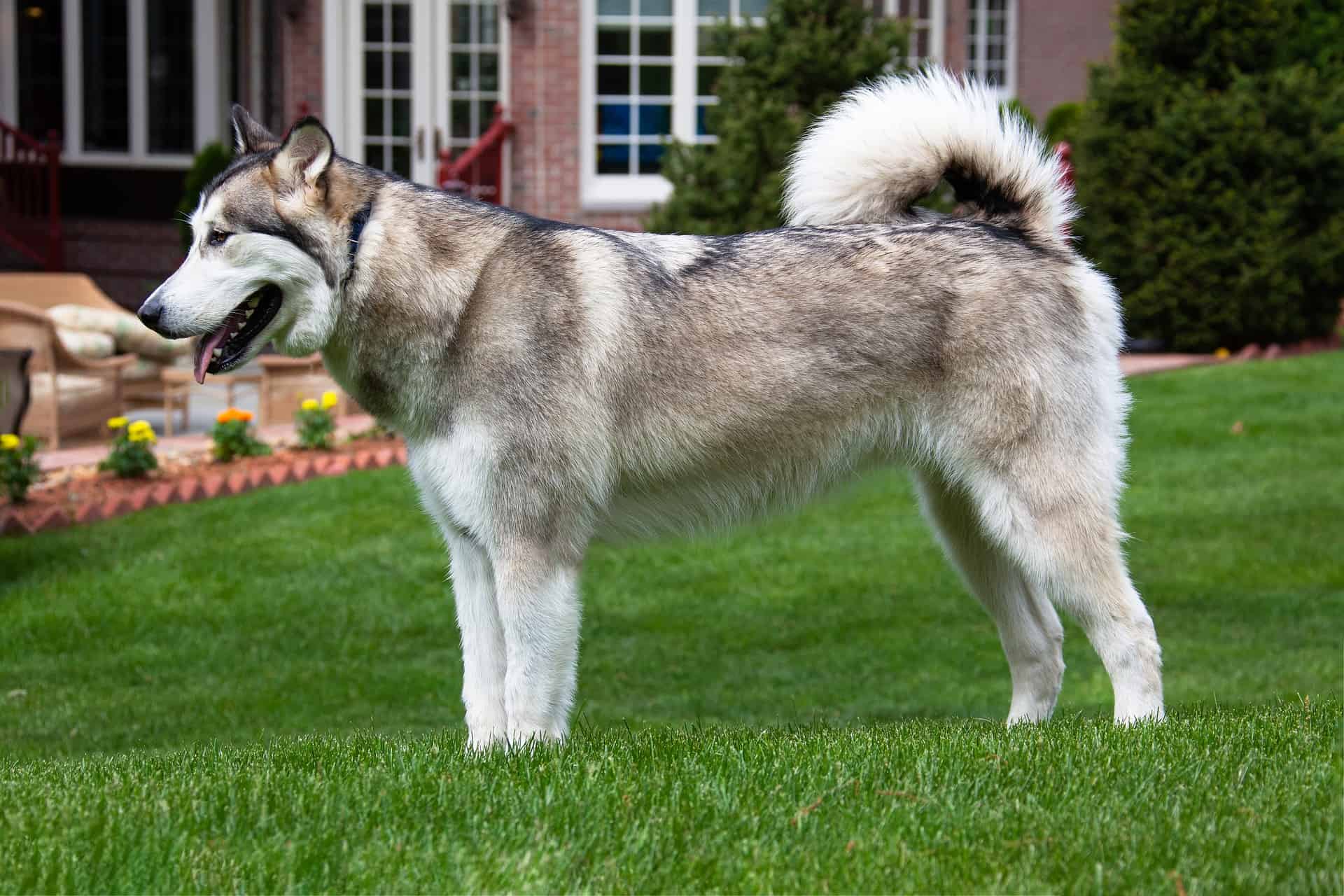
The Alaskan Malamute is the closest match, another Arctic sled dog developed by northern indigenous peoples for heavy hauling in extreme cold. The Malamute is larger and was built for freight rather than speed, but the shared spitz heritage, cold tolerance, pack orientation, and stubborn independence make these dogs genuine counterparts.
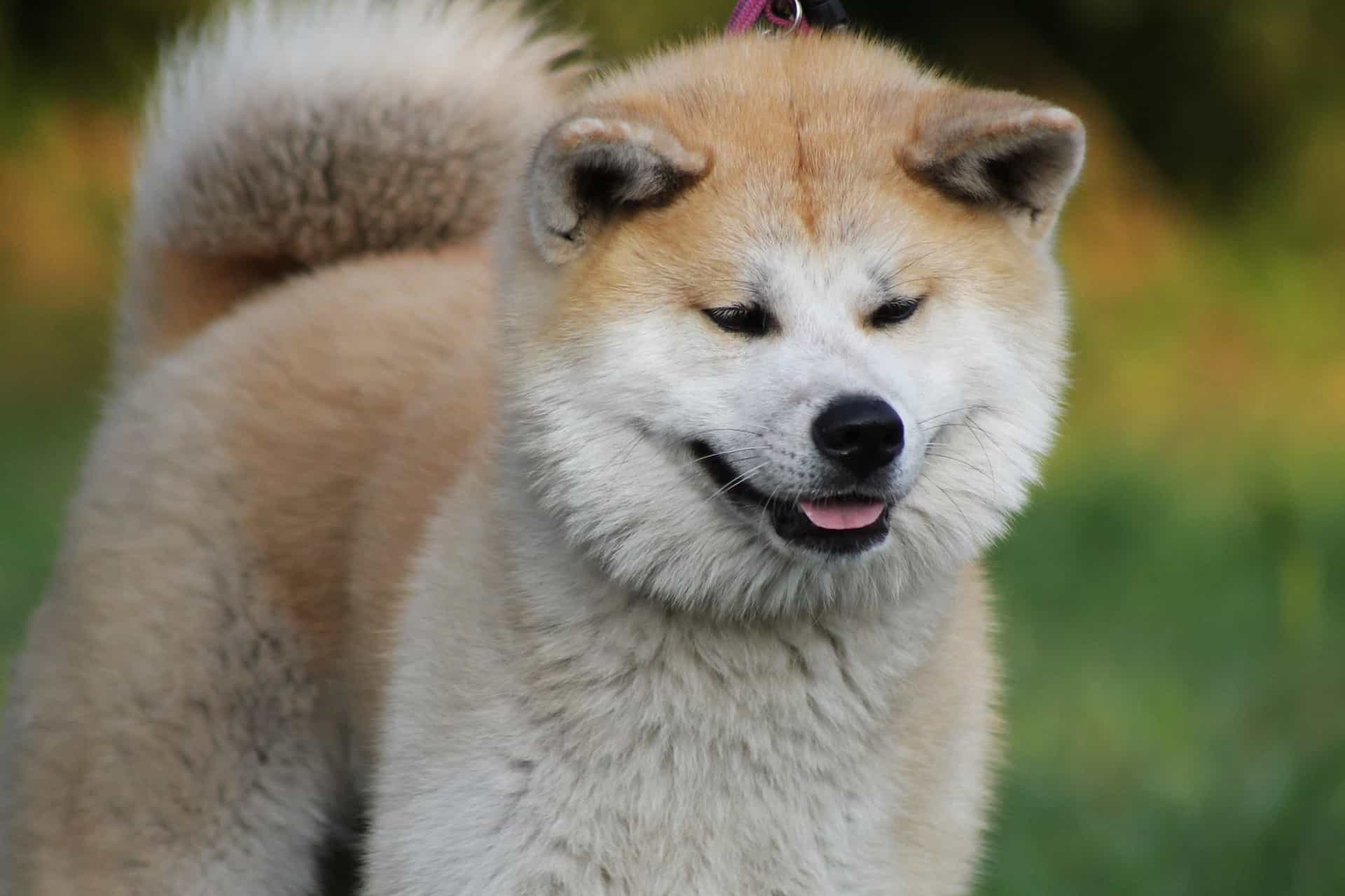
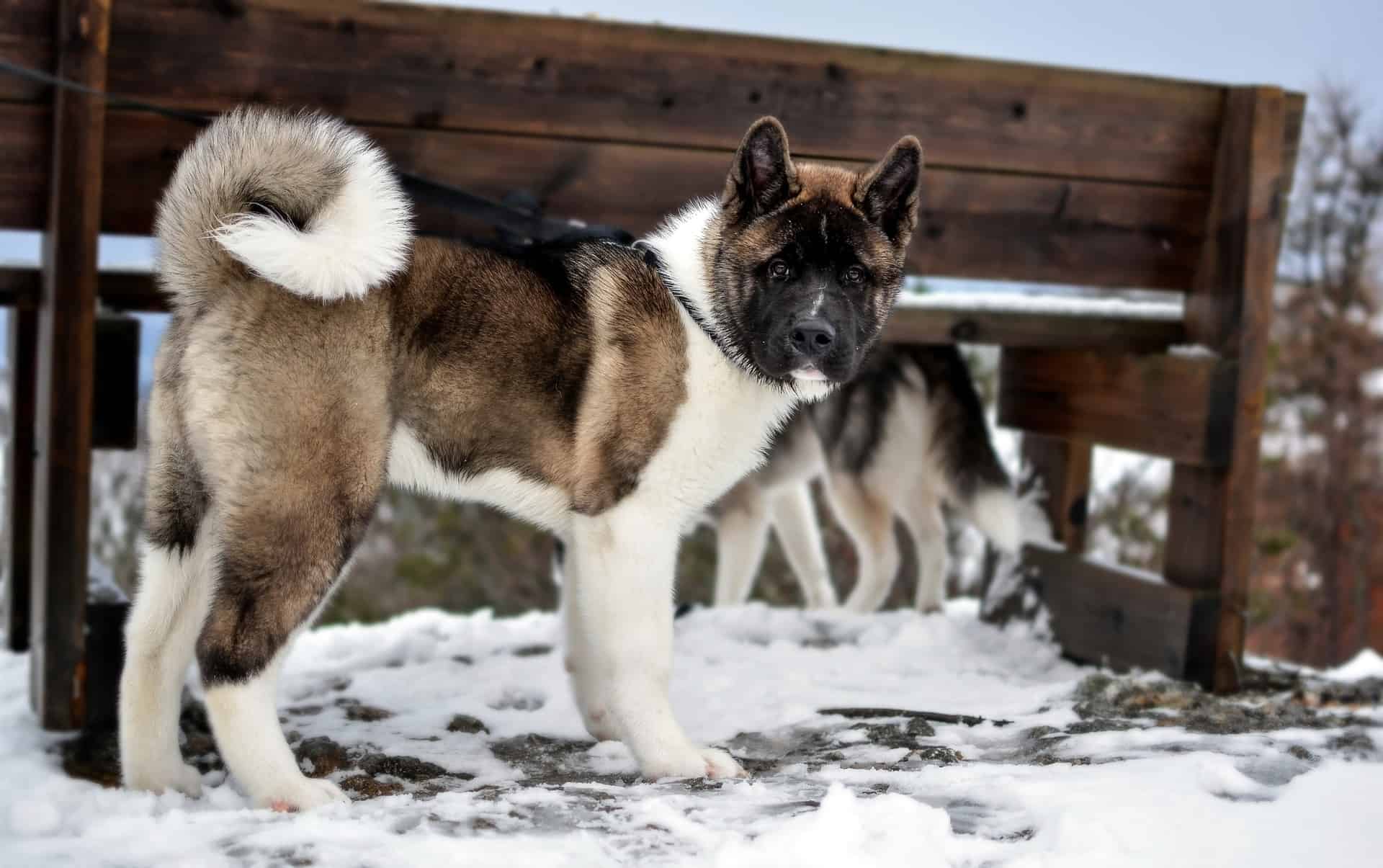
The Japanese Akita Inu and American Akita share the spitz type and the same Group 5 classification, and both carry the same combination of strong-willed temperament and thick double coat. The Akitas are more reserved and protective than the Husky, but the independent streak, the heavy coat, and the Nordic build connect them clearly.
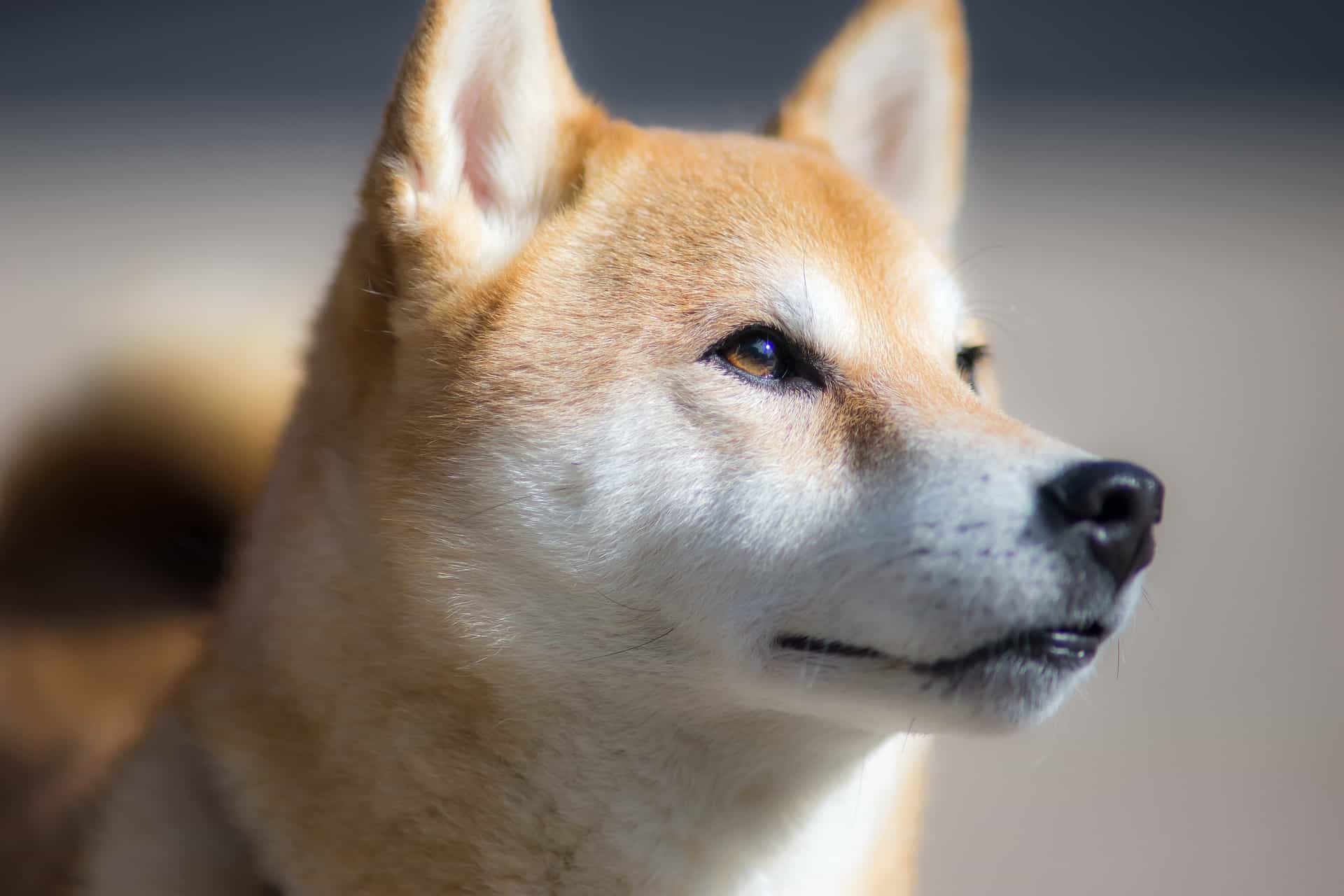
The Shiba Inu is the smallest of the group and was developed for hunting rather than sledding, but it belongs to the same spitz family: the fox-like face, upright ears, dense coat, and pronounced independence are recognisable traits shared across all four breeds.
Trait ratings
- Energy level
- 3/5
- Exercise requirements
- 4/5
- Playfulness
- 4/5
- Affection level
- 4/5
- Friendliness toward dogs
- 3/5
- Friendliness toward other pets
- 3/5
- Friendliness toward strangers
- 5/5
- Ease of training
- 1/5
- Watchdog ability
- 3/5
- Protection ability
- 1/5
- Grooming requirements
- 3/5
- Cold tolerance
- 5/5
- Heat tolerance
- 1/5