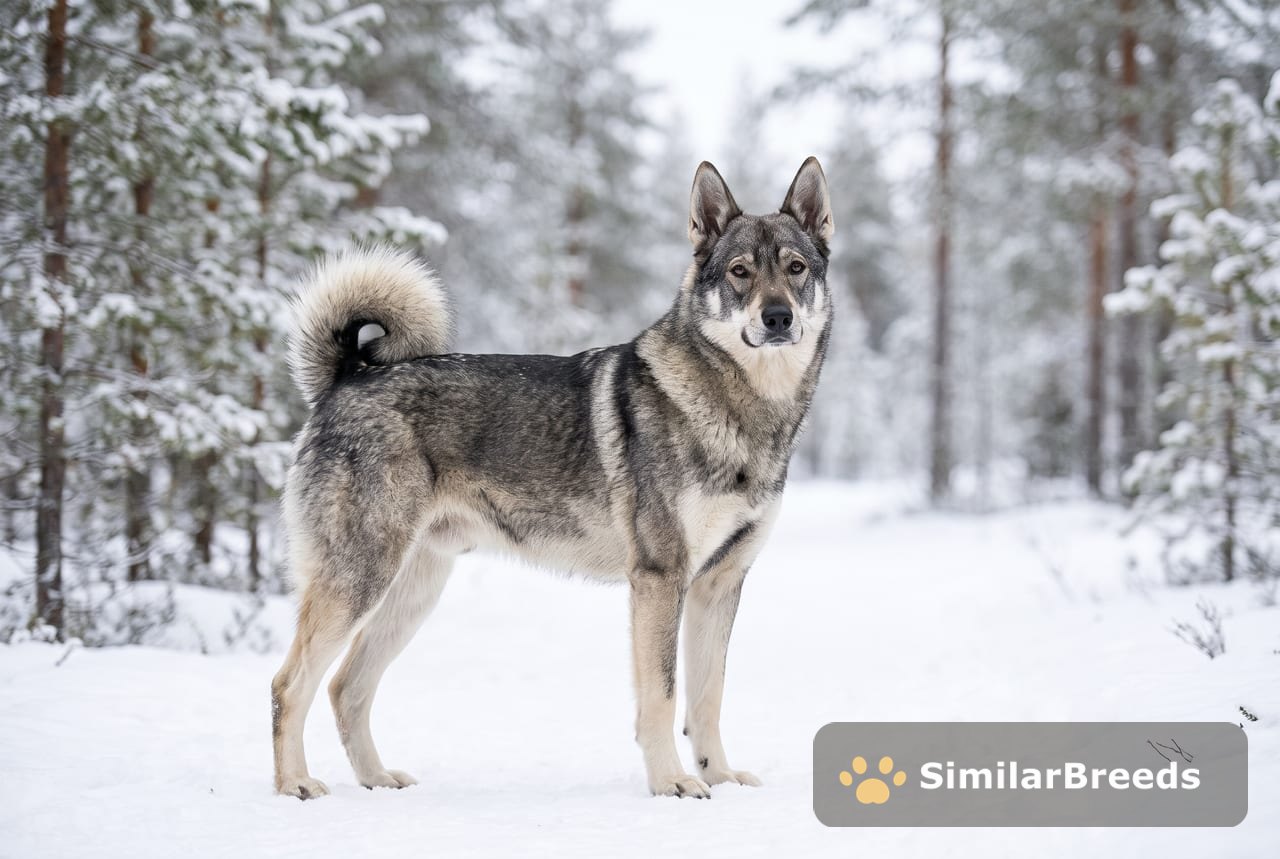
Norwegian Buhund
From Norway
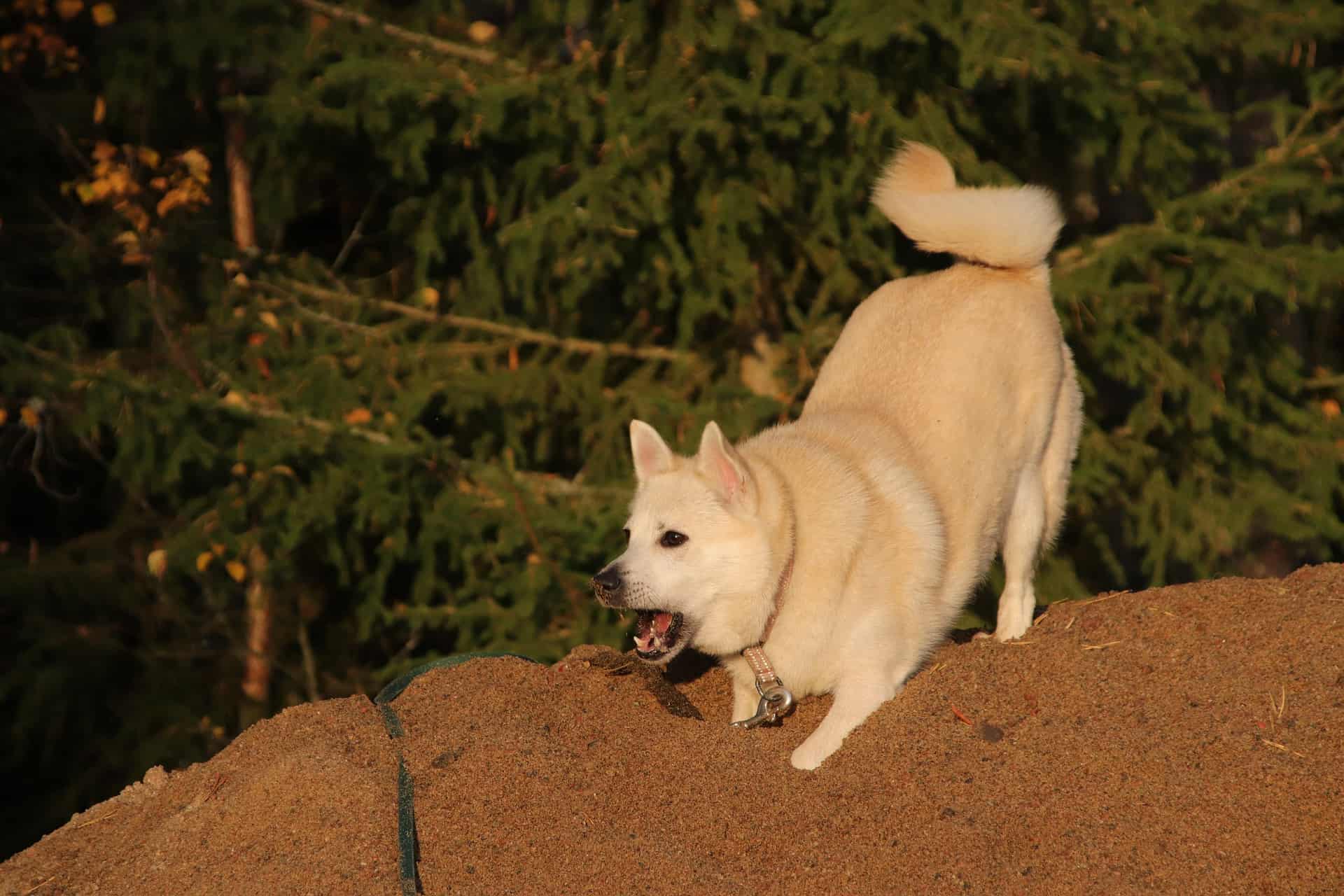
Purpose & Origin
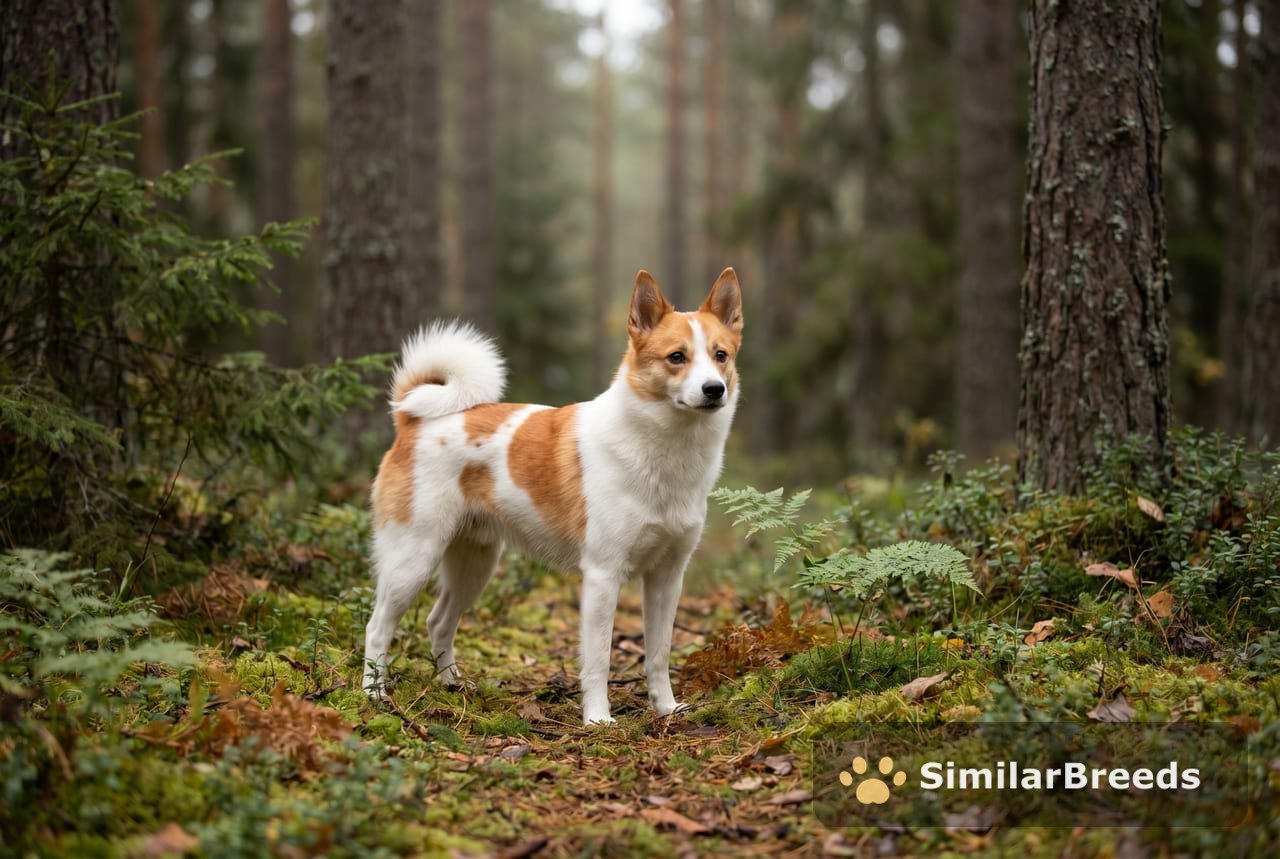
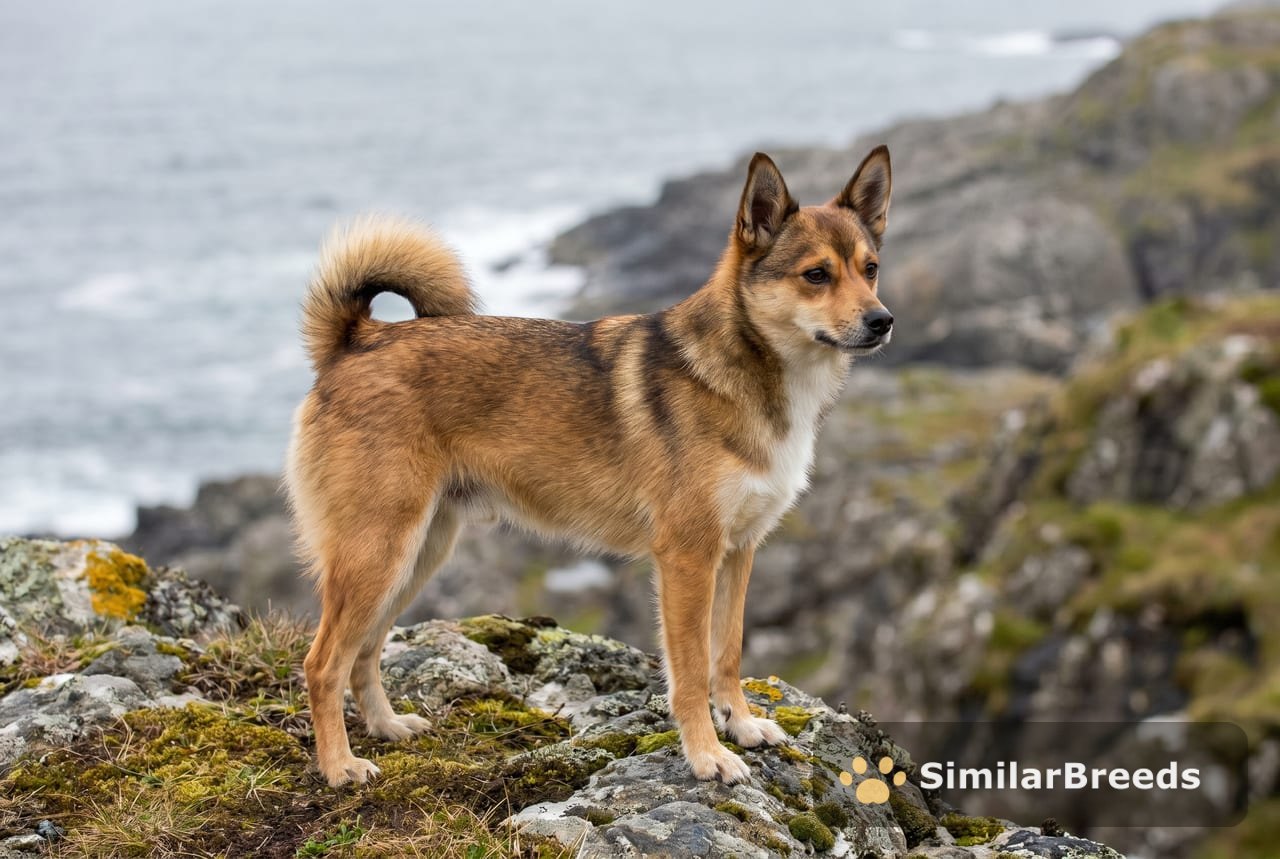
The Norwegian Buhund, also called the Norsk Buhund, is one of Scandinavia's oldest farm dogs. Spitz-type remains uncovered at Norway's earliest archaeological sites and in Viking burial mounds from around 900 A.D. tell a consistent story: these dogs worked alongside people and were considered valuable enough to accompany their owners into the afterlife. "Buhund" translates roughly as farm or homestead dog, and that name captures the breed's role precisely.
For centuries, every Norwegian smallholding kept one to manage sheep, cattle, pigs, and reindeer. Summers meant moving to mountain huts on steep, rocky ground, where the dogs had to work independently, gathering scattered livestock and flushing them by barking. A nimble Buhund could even walk across the backs of a tight-packed flock during shearing.
Other breeds displaced them in the early 1900s, but agricultural shows in 1913 and state-sponsored breeding events through the 1920s revived interest. The Norsk Buhund Club was established in 1939, and the breed reached England after World War II and America later still, joining the AKC Herding Group in 2009.
Temperament & Behaviour
This is a high-energy, high-affection dog. The Buhund is cheerful, attentive, and genuinely enthusiastic about its people, which makes it a strong fit for active families with time to engage it. It is somewhat independent in the way all Nordic working breeds are, but compared to most spitz types it is unusually willing to take direction, making training a more cooperative process. The flip side of its alertness is its voice: the Buhund is an excellent watchdog and will bark, sometimes more than neighbours appreciate. Its reserve with strangers is moderate rather than sharp, but it is not an instant-friend dog.
Activity & Training
With scores of 5 out of 5 for both energy level and exercise requirement, the Buhund is not a dog that does well with a short daily walk. It needs a proper workout every day, whether a long run, agility, retrieving work, or actual herding. Give it sufficient exercise and it settles well indoors. Skip the outlet and it will invent its own entertainment, which rarely suits the owner. The breed's trainability is genuine, but it is still a self-reliant working dog at heart, so training works best with clear, consistent expectations and sessions that stay interesting.
Grooming
The coat is medium to short with a dense double undercoat. It sheds regularly and heavily twice a year. It does not tangle, which simplifies maintenance, but shedding is a real consideration in the house. Brushing a few times a week, with more frequent sessions during heavy shedding periods and regular baths, keeps loose hair manageable.
Health
The Buhund is generally a hardy breed with no major hereditary concerns identified. Minor concerns include hip dysplasia, and cataracts have been seen occasionally. Hip and eye tests are the standard screens. Life expectancy runs 12 to 14 years.
Why these breeds are similar
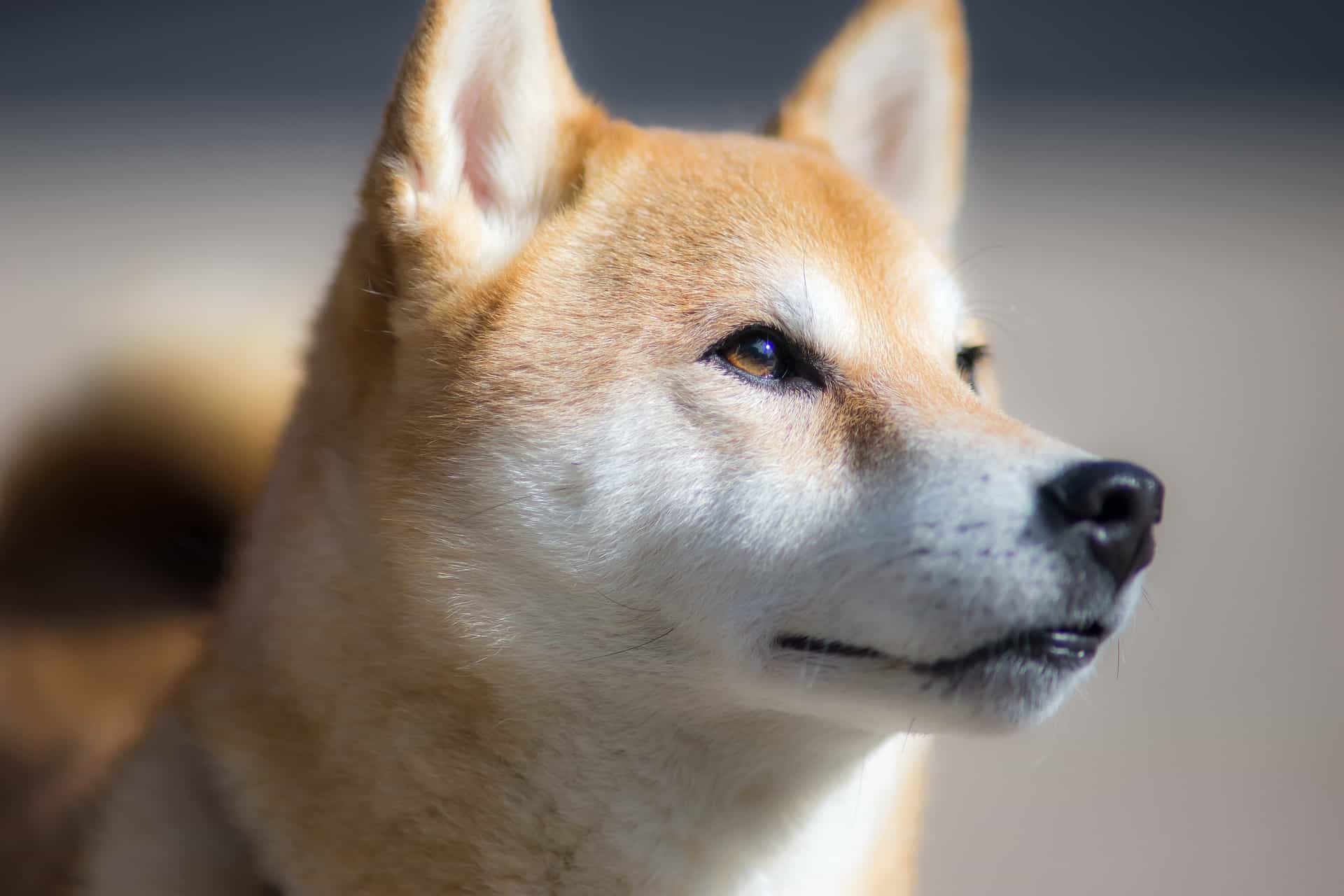
The **Shiba Inu** shares the same compact spitz build, independent temperament, and alert watchdog nature, though it comes from Japan rather than Norway and was bred for hunting rather than herding. The **Norrbottenspets** is a Swedish farm and hunting spitz of almost identical size and working origin, another Nordic all-rounder that barked game and kept homesteads honest. The **Norwegian Lundehund** is a fellow Norwegian spitz, ancient in origin and purpose-built for working rugged terrain, though its specific role was puffin hunting rather than livestock.
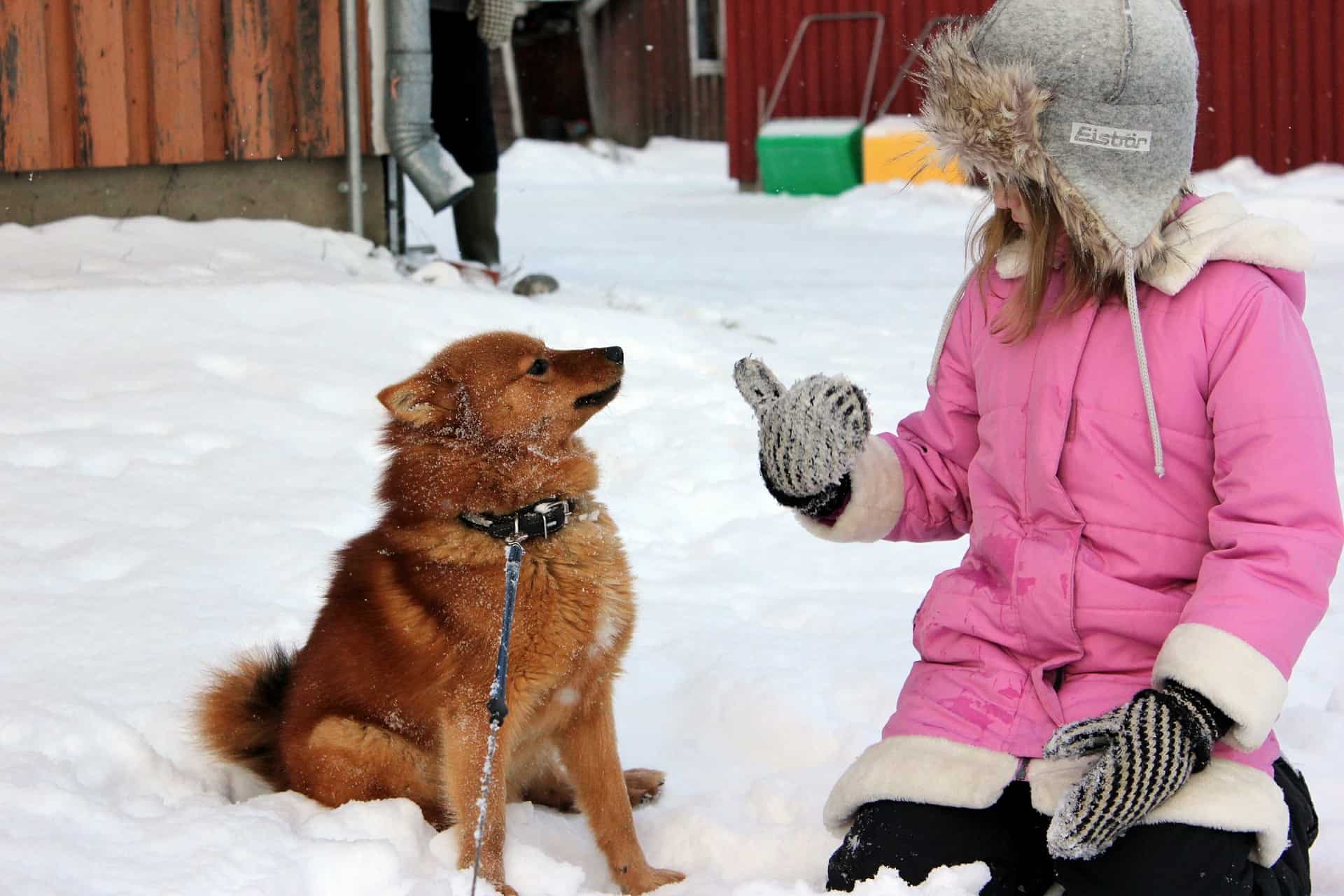
The **Finnish Spitz** is the closest temperamental parallel outside Norway: a barking, energetic, people-oriented Nordic breed that also uses voice as a core working tool and carries the same lively, alert character. The **Jamthund (Swedish Elkhound)** is a larger Nordic hunting spitz from the same geographic and genetic region, sharing the Buhund's double coat, cold tolerance, and deeply independent working style.
Trait ratings
- Energy level
- 5/5
- Exercise requirements
- 5/5
- Playfulness
- 5/5
- Affection level
- 5/5
- Friendliness toward dogs
- 3/5
- Friendliness toward other pets
- 4/5
- Friendliness toward strangers
- 3/5
- Ease of training
- 4/5
- Watchdog ability
- 5/5
- Protection ability
- 3/5
- Grooming requirements
- 3/5
- Cold tolerance
- 4/5
- Heat tolerance
- 3/5