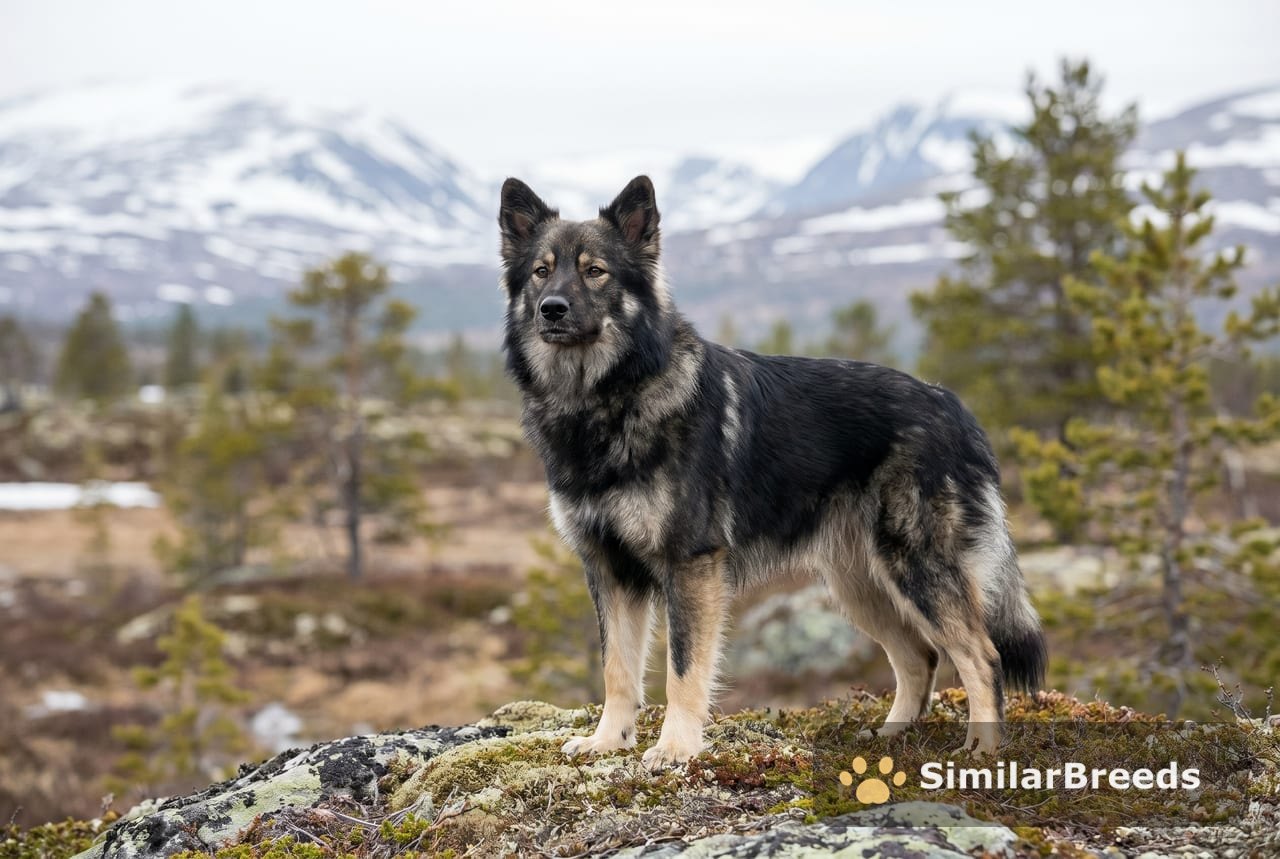
Norwegian Lundehund
From Norway
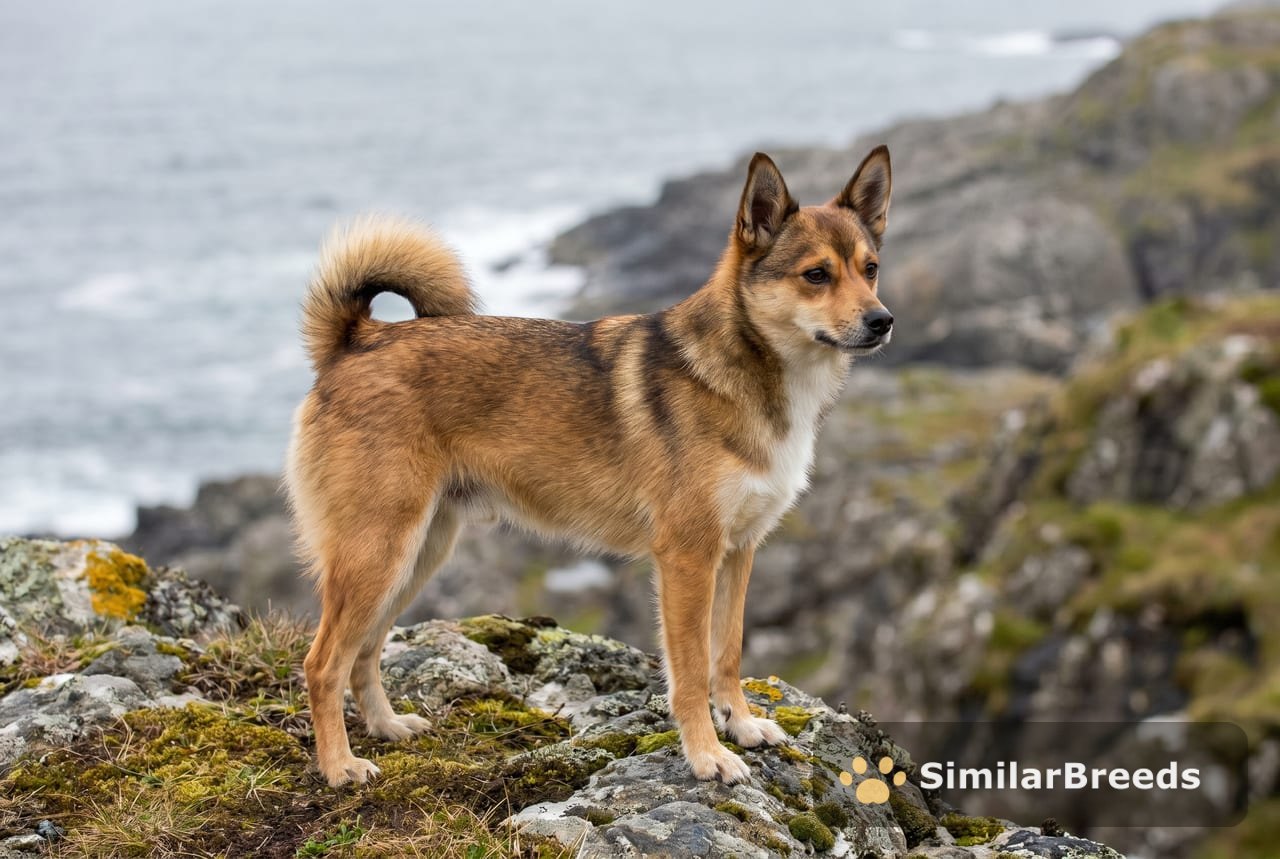
Purpose & Origin
The Norwegian Lundehund is one of the most anatomically unusual dogs alive. It carries six toes on each foot, can tip its head back to touch its own spine, and fold its ears shut against dirt and water. Every one of these traits existed for a reason: for centuries the Lundehund worked Norway's Lofoten Islands, climbing sea cliffs and squeezing deep into the twisting rock tunnels where Atlantic puffins nest. A good dog could catch 30 puffins in a single night, supplying its village with meat and valuable down. The breed has been doing this since at least the 1500s.
By the early twentieth century, nets replaced dogs for puffin hunting, and the Lundehund nearly disappeared. Disease, a dog tax, and a bounty on dogs that had turned to sheep-killing pushed the population to almost nothing. Survival came down to a handful of individuals on a remote island and a careful breeding program guided by a geneticist in the 1960s. The first Lundehund reached North America in 1960, the United States in 1987, and AKC recognition came only in 2010. It remains genuinely rare.
Temperament & Behaviour
The Lundehund behaves more like a primitive spitz than a modern companion dog. It is intensely curious and independent, a free thinker that does not naturally defer to people. It climbs well and will investigate any gap, shelf, or cranny it can reach. A strong prey drive is present, though dogs raised with cats or small pets from puppyhood generally manage.
The breed is quite reserved with strangers and will not warm up quickly, but it is not aggressive. Its watchdog instinct is exceptional: it will bark at anything that moves, loudly and persistently. Dogs that miss early socialization can become sound-sensitive or genuinely shy, so thorough exposure during puppyhood matters more here than with most breeds.
Activity & Training
The Lundehund is a busy, energetic dog that needs daily exercise, though its size means a brisk walk or a vigorous outdoor play session satisfies it rather than hours of running. What it needs just as much as physical activity is mental engagement. It thrives when given new terrain to explore, problems to investigate, or tasks that keep its active brain occupied.
Housetraining can be genuinely difficult with this breed, and many owners report it takes longer than expected. Training is a challenge across the board: the independence and primitive nature that made the Lundehund effective in tunnels makes it slow to comply with human requests. Patience, positive reinforcement, and realistic expectations are required. This is not a dog for a first-time owner who wants quick results.
Grooming
Coat maintenance is modest. Weekly brushing is enough during normal periods, with more frequent sessions when the dog is shedding heavily. The coat is practical and not prone to matting.
Health
The Lundehund carries a significant health burden. Lundehund gastroenteropathy syndrome is the primary concern, a collection of gastrointestinal problems that in some form probably affects every individual of the breed, though severity varies widely. Dogs with active symptoms require a carefully managed diet. Life expectancy is 8 to 12 years. Prospective owners should research the syndrome thoroughly and be prepared for dietary management.
Why these breeds are similar
The Norwegian Buhund and Icelandic Sheepdog share the Lundehund's Nordic spitz heritage: all three are compact, prick-eared dogs from Scandinavia with alert temperaments and strong watchdog instincts. The Norrbottenspets and Finnish Spitz are also northern hunting spitzes, bred for independent work in harsh conditions, which produces the same curious and vocal personality seen in the Lundehund. The Lapponian Herder rounds out the group as another Scandinavian working dog with the cold-tolerant constitution and primitive, self-reliant character that define this cluster. None of these breeds was bred to work closely at heel with a handler, and all share that streak of independence that makes them interesting but demanding companions.
Trait ratings
- Energy level
- 4/5
- Exercise requirements
- 3/5
- Playfulness
- 3/5
- Affection level
- 3/5
- Friendliness toward dogs
- 3/5
- Friendliness toward other pets
- 3/5
- Friendliness toward strangers
- 2/5
- Ease of training
- 2/5
- Watchdog ability
- 5/5
- Protection ability
- 3/5
- Grooming requirements
- 2/5
- Cold tolerance
- 4/5
- Heat tolerance
- 3/5