Finnish Spitz
From Finland
Purpose & Origin
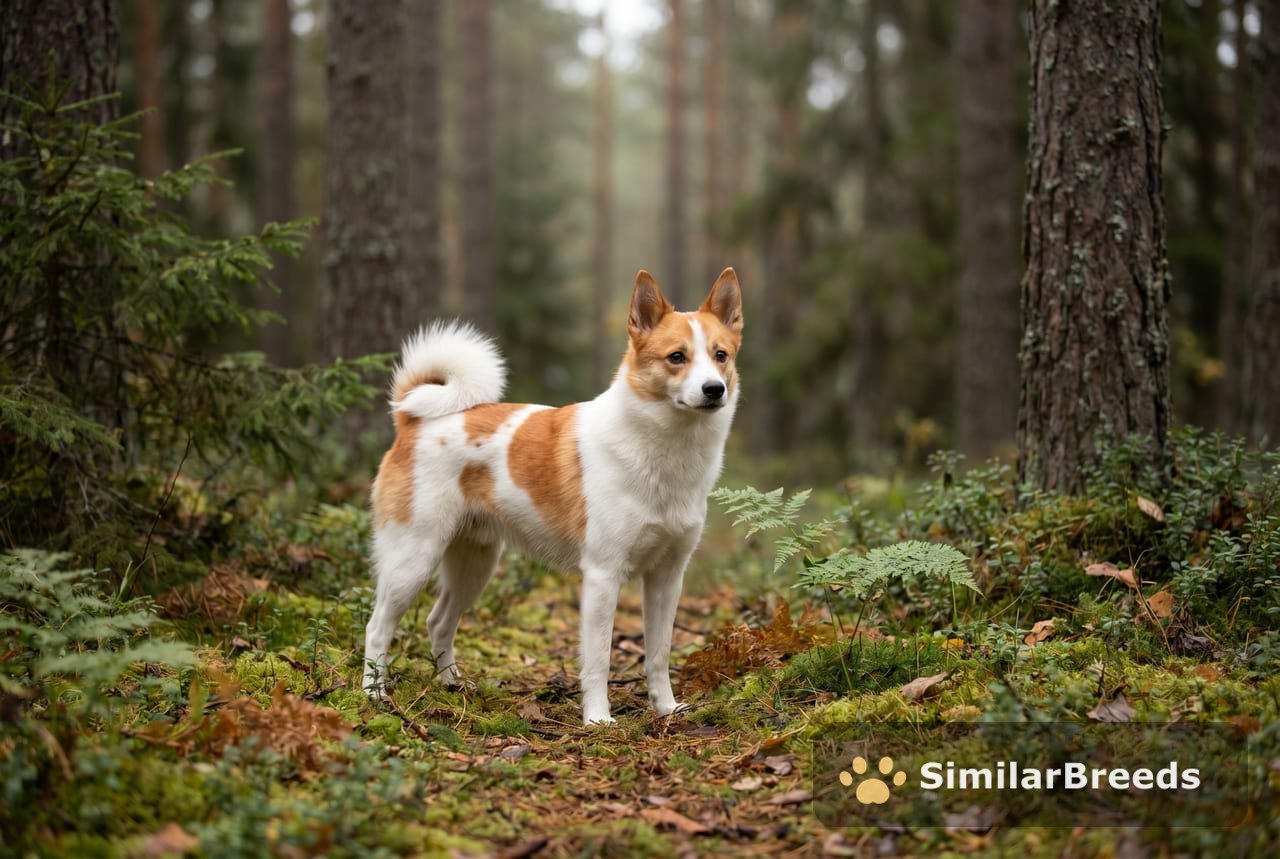
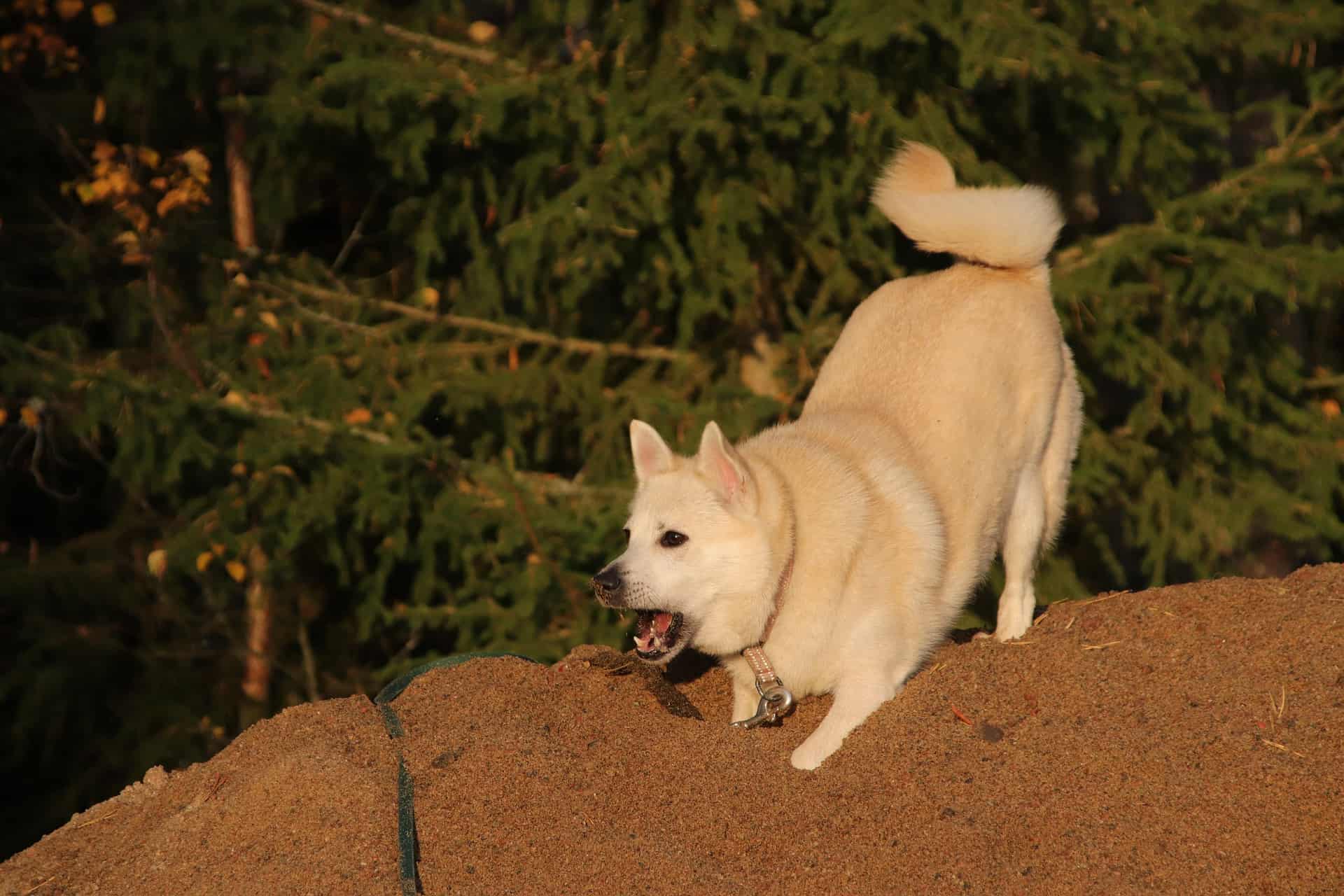
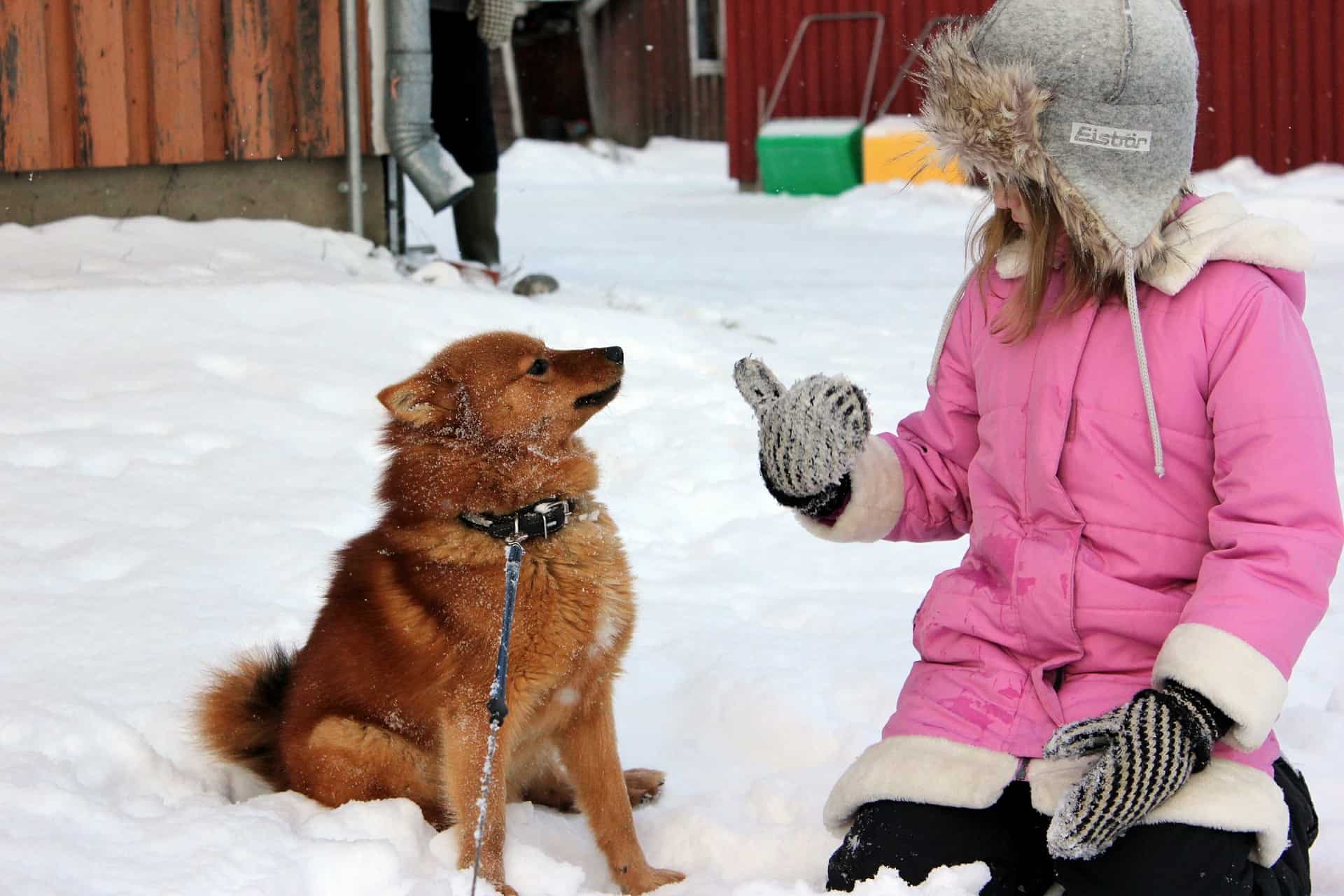
The Finnish Spitz is one of the oldest northern working breeds, descended from spitz-type dogs that traveled with early Finno-Ugrian peoples across Eurasia into what is now Finland. For centuries, geographic isolation kept the breed remarkably pure. That changed in the 1800s when outside dogs moved into the region and interbreeding nearly wiped out the original type. Two Finnish sportsmen rescued it in the late 1800s after encountering dogs that appeared untouched by crossbreeding.
The breed carries two earlier names reflecting its work: Suomenpystykorva, meaning Finnish Cock-Eared Dog, and Finnish Barking Bird Dog. It is Finland's national dog, still used there to hunt capercaillie and black grouse. The method is distinctive: the dog ranges ahead, finds the bird, and barks continuously until the hunter arrives. Finnish conformation champions must first pass field tests, and the country holds an annual "King Barker" competition. The Finkie arrived in Britain in the 1920s and in the United States by the 1960s, gaining AKC recognition in 1988.
Temperament & Behaviour
The Finnish Spitz is alert, curious, and devoted, but it brings the full spitz temperament package: independence, a clear sense of its own place in the social order, and deep suspicion of strangers. It tends to bond most strongly to one person. Some males push for dominance, which requires a handler willing to hold rank consistently.
The breed is good with children and generally tolerates other pets, though it can be combative with strange dogs. That wariness of outsiders makes it an effective watchdog, which aligns with its high watchdog score. It is sensitive enough that harsh correction backfires. Barking is not incidental to this dog; it is the central skill the breed was built around, and the Finkie will demonstrate it often and at volume.
Activity & Training
Daily exercise is necessary: a long leash walk or a run in a securely fenced yard. The fenced-yard requirement is not optional. These dogs have a hunting drive that will take them off on their own given the chance. Training requires patience. The Finkie is not difficult in the way a terrier is difficult, but it is not a biddable retriever either. It responds to consistent, positive handling rather than repetitive drilling. Its sensitivity means that pressure produces resistance, not compliance.
Grooming
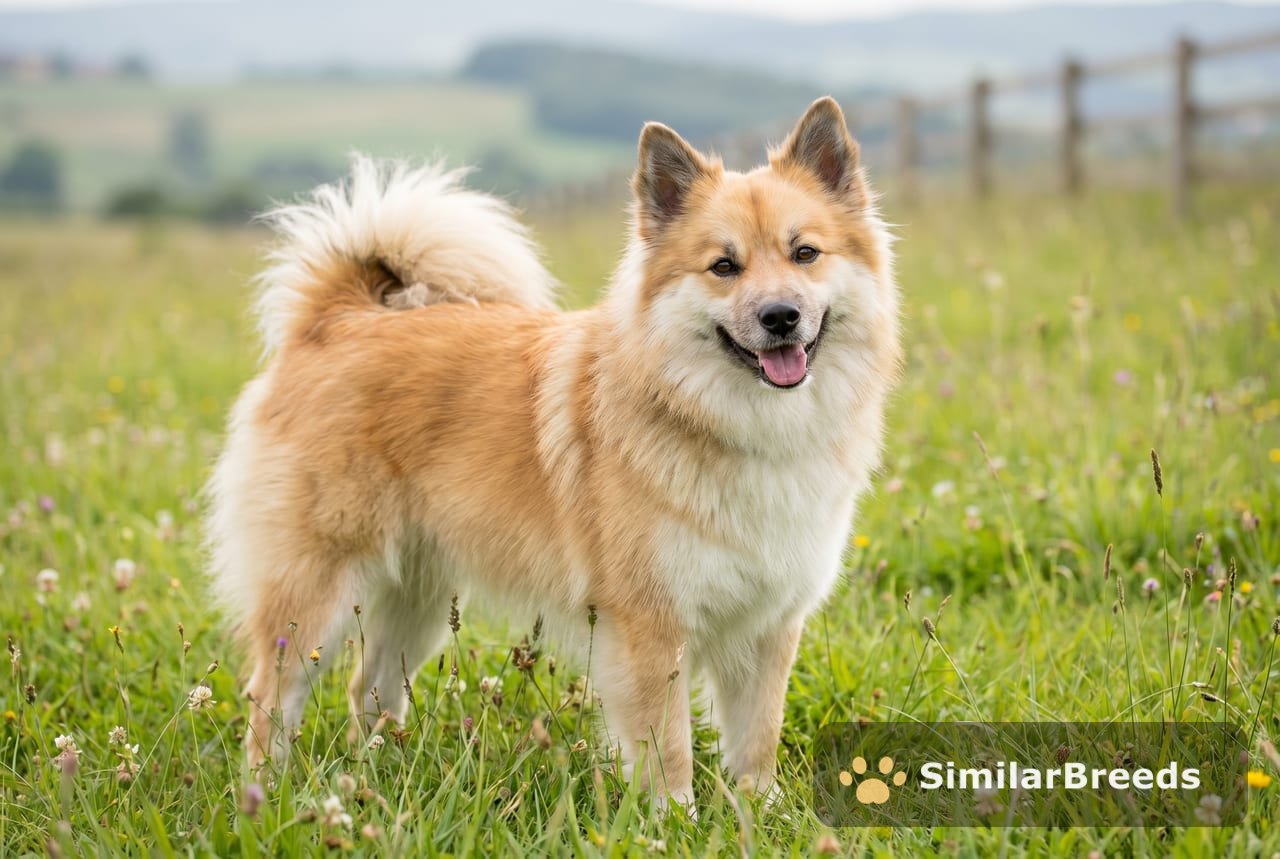
The double coat needs brushing once or twice a week under normal circumstances, with more frequent attention during shedding periods. The coat is not oily, which means this breed carries almost no doggy odor and stays noticeably clean between baths. Grooming requirements are moderate overall.
Health
The Finnish Spitz is a generally healthy breed with a life span of 12 to 14 years. Minor concerns include hip dysplasia and diabetes. Patellar luxation and epilepsy appear occasionally. Hip screening is the standard recommended test.
Why these breeds are similar
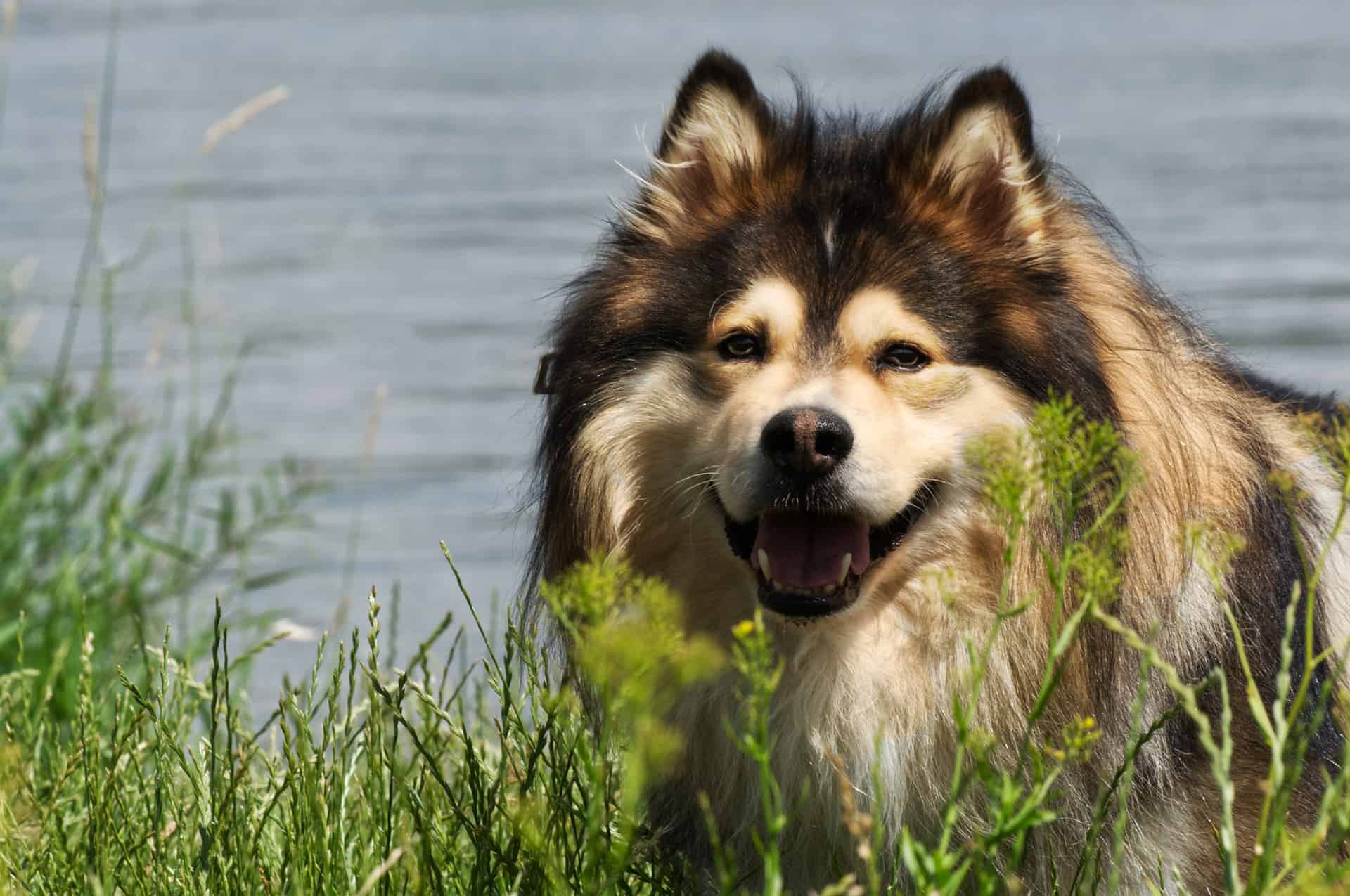
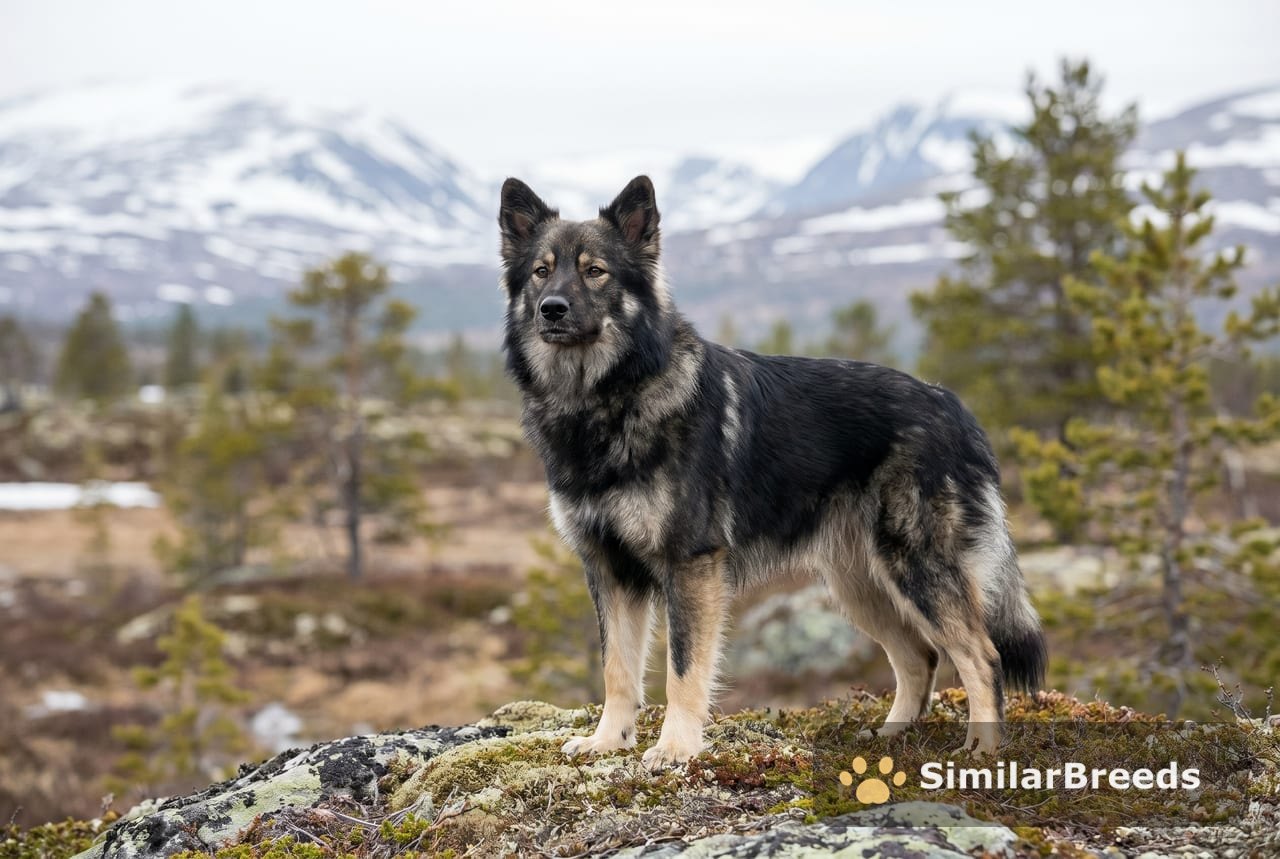
The Norrbottenspets is the closest match: another small Nordic hunting spitz from Scandinavia, used on birds and small game, with the same bark-and-point hunting method. The Finnish Lapphund shares Finnish origin and spitz structure but was bred for reindeer herding rather than hunting, giving it a somewhat softer, more biddable temperament. The Lapponian Herder is another Finnish reindeer-herding spitz, larger and more workmanlike in build but sharing the cold-climate heritage and Nordic spitz type.
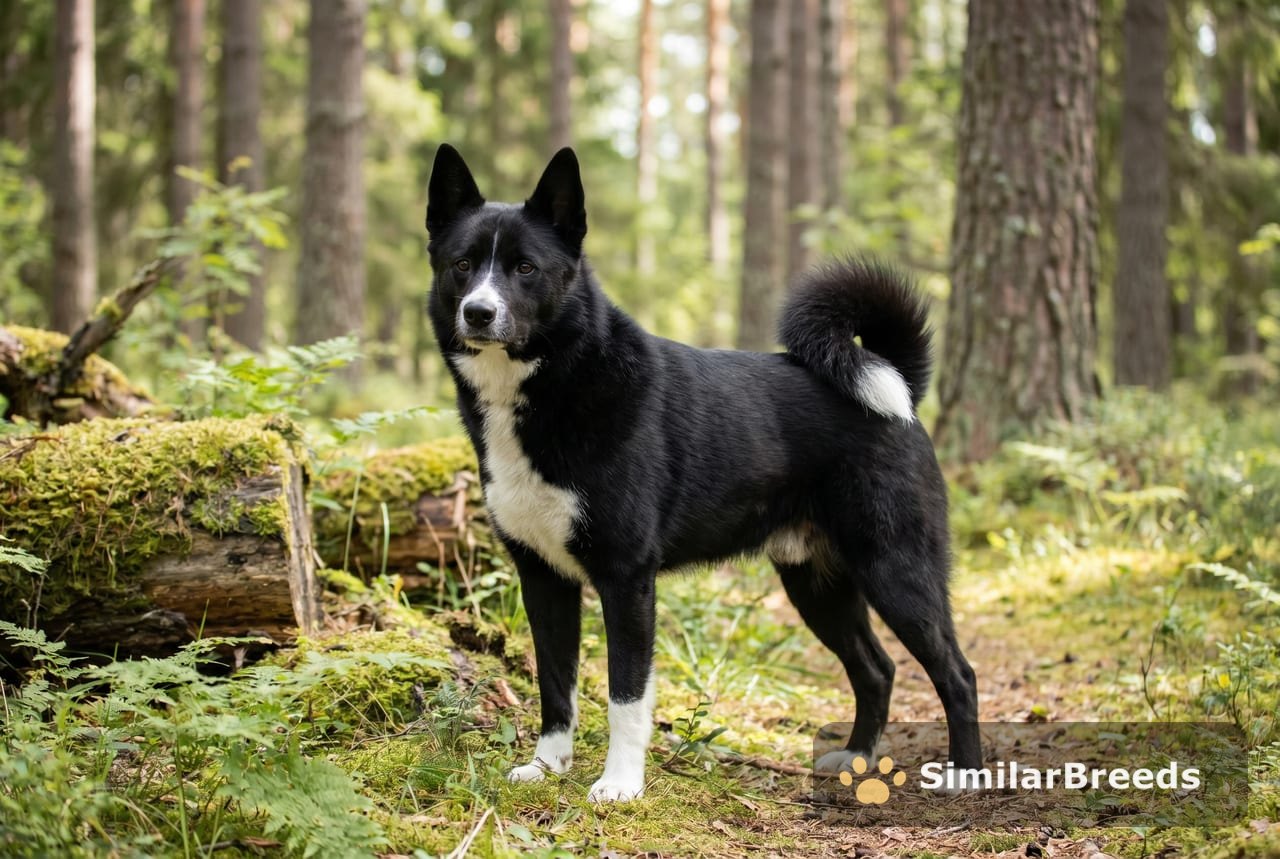
The Karelian Bear Dog is the most intense member of this group, a Finnish hunting spitz taken to much larger, more aggressive quarry, with the same bark-at-game technique amplified for bear and elk. The Norwegian Buhund is a Norwegian herding spitz, similar in size, coat, and alert temperament, though herding-shaped rather than hunting-shaped. The Icelandic Sheepdog rounds out the group as another Nordic spitz herder: upright ears, thick double coat, vocal, and deeply tied to its home country's working history.
Trait ratings
- Energy level
- 3/5
- Exercise requirements
- 3/5
- Playfulness
- 3/5
- Affection level
- 3/5
- Friendliness toward dogs
- 3/5
- Friendliness toward other pets
- 3/5
- Friendliness toward strangers
- 1/5
- Ease of training
- 3/5
- Watchdog ability
- 4/5
- Protection ability
- 3/5
- Grooming requirements
- 3/5
- Cold tolerance
- 4/5
- Heat tolerance
- 2/5