Finnish Lapphund
Also known as Finnish Lapponian Dog
From Finland
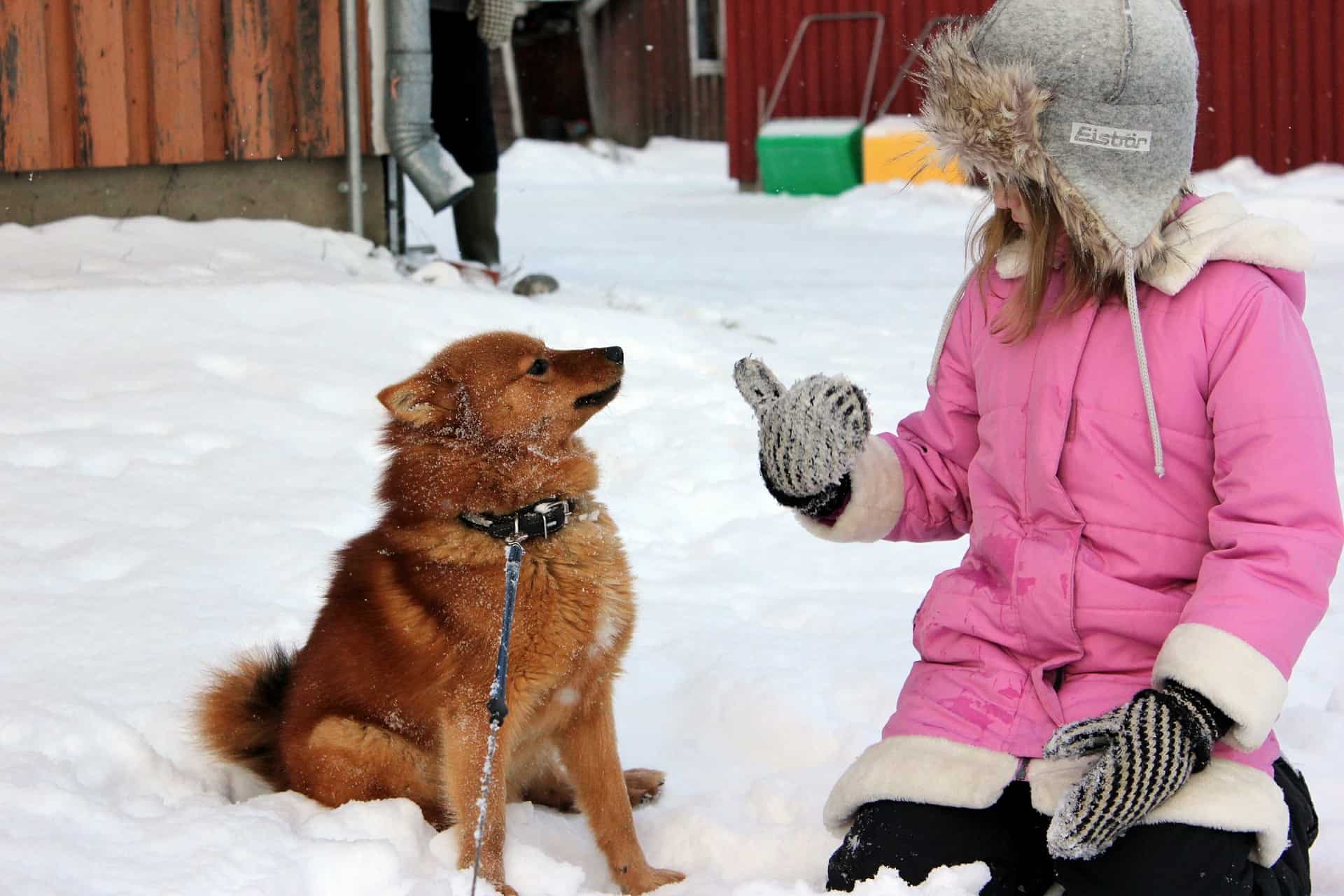
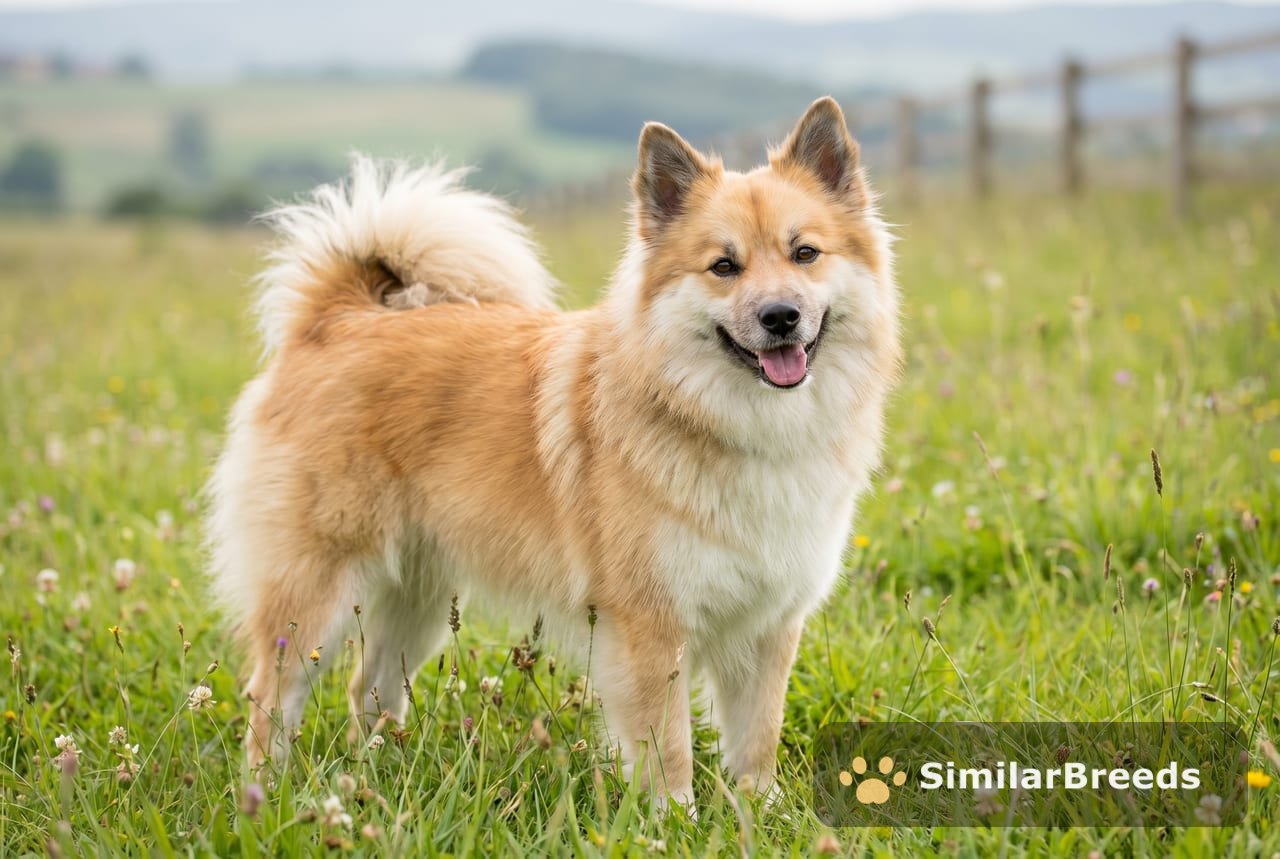
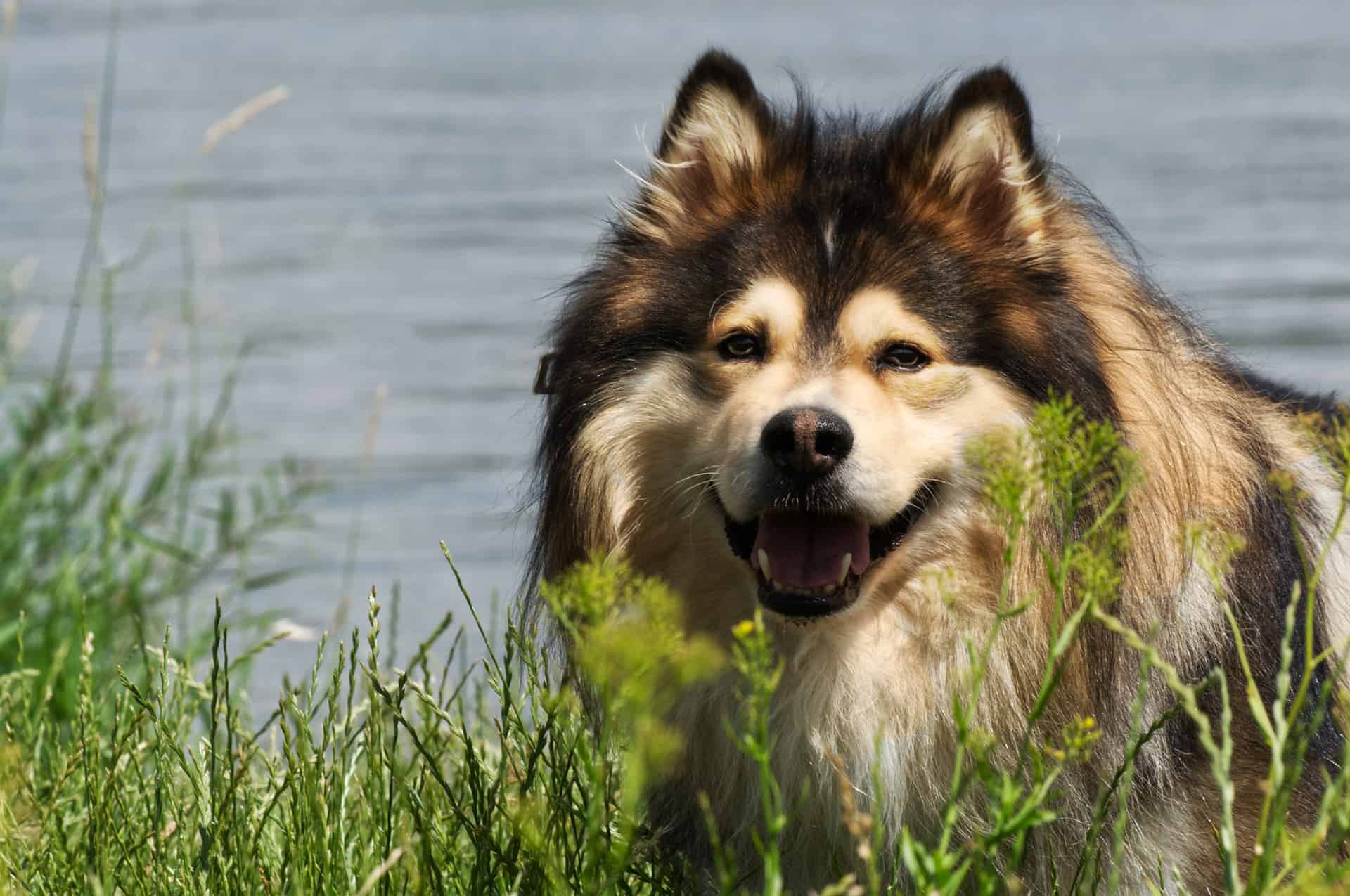
The Finnish Lapphund was bred from the dogs employed as reindeer herders and guards by the indigenous Sámi people of Lapland. It is extremely popular in its native country Finland, but it's also gaining popularity internationally. This adaptable breed is loving and reliable, eager to work yet equally content as a family companion and watchdog.
Purpose & Origin
The Finnish Lapphund is one of the oldest working breeds in Scandinavia, shaped by the Sámi people of Lapland across what is now northern Finland, Sweden, and parts of Russia. Cave paintings and archaeological finds point to spitz-type dogs used for reindeer herding long before written records, though not as drovers pushing cattle from behind: these dogs worked as gatherers, keeping herds together on open tundra.
The snowmobile largely replaced them in the 20th century, and World War II followed by a distemper outbreak nearly wiped out what remained of the breed. Finnish breeders rescued the bloodlines, and the Finnish Kennel Club recognised the breed in 1945.
For a while, the short-coated and long-coated forms were kept under one standard; in 1967 they were separated, with the long-coated variety taking the Finnish Lapphund name (Suomenlapinkoira) and the short-coated form becoming the Lapponian Herder. Today the Lapphund is one of the most popular breeds in Finland. It arrived in the United States in 1987, gained UKC recognition in 1994, and joined the AKC Herding Group in 2011.
Temperament & Behaviour
Lapphunds are gentle, devoted, and alert, with a submissive streak toward people that sets them apart from more assertive spitz breeds. They were never meant to guard property, and it shows: strangers are treated with wariness rather than aggression. Within the family they are loyal and affectionate without being clingy. The herding instinct survives in their bark, which fires when they are excited or when something catches their attention, so they make excellent watchdogs despite low protection drive.
They get along readily with other dogs and household pets. Independent thinking is part of the package, a trait honed by centuries of working semi-autonomously on open ground, but it is tempered by a genuine willingness to cooperate, which shows in the breed's strong obedience competition record in Finland.
Activity & Training
This is a high-energy dog that needs real daily exercise, a long hike or a vigorous game rather than a short walk around the block. The good news is that it handles a missed day better than many working breeds, staying relatively calm indoors when needed. Mental work matters as much as physical: agility, obedience, and tracking all suit the breed well and channel the intelligence that would otherwise find less welcome outlets. Training is straightforward by spitz standards (ease of training rates 4 out of 5), though the independent streak means motivation through engagement works better than drilling.
Grooming
The double coat is substantial and demands consistent attention. A weekly brush (twice a week during heavy shedding periods) keeps it free from mats, but shed season is serious, and owners should expect fur. The coat is cold-weather armour: the Lapphund copes with Arctic conditions with ease but struggles in heat, rating 1 out of 5 for heat tolerance. Hot climates require managed outdoor time and good ventilation.
Health
The Finnish Lapphund is a generally sturdy breed with a lifespan of 12 to 14 years. The main concerns are eye-related: progressive retinal atrophy and cataracts are the known minor issues, with hip dysplasia seen occasionally. Responsible breeders test for PRA via DNA and screen eyes and hips before breeding.
Why these breeds are similar
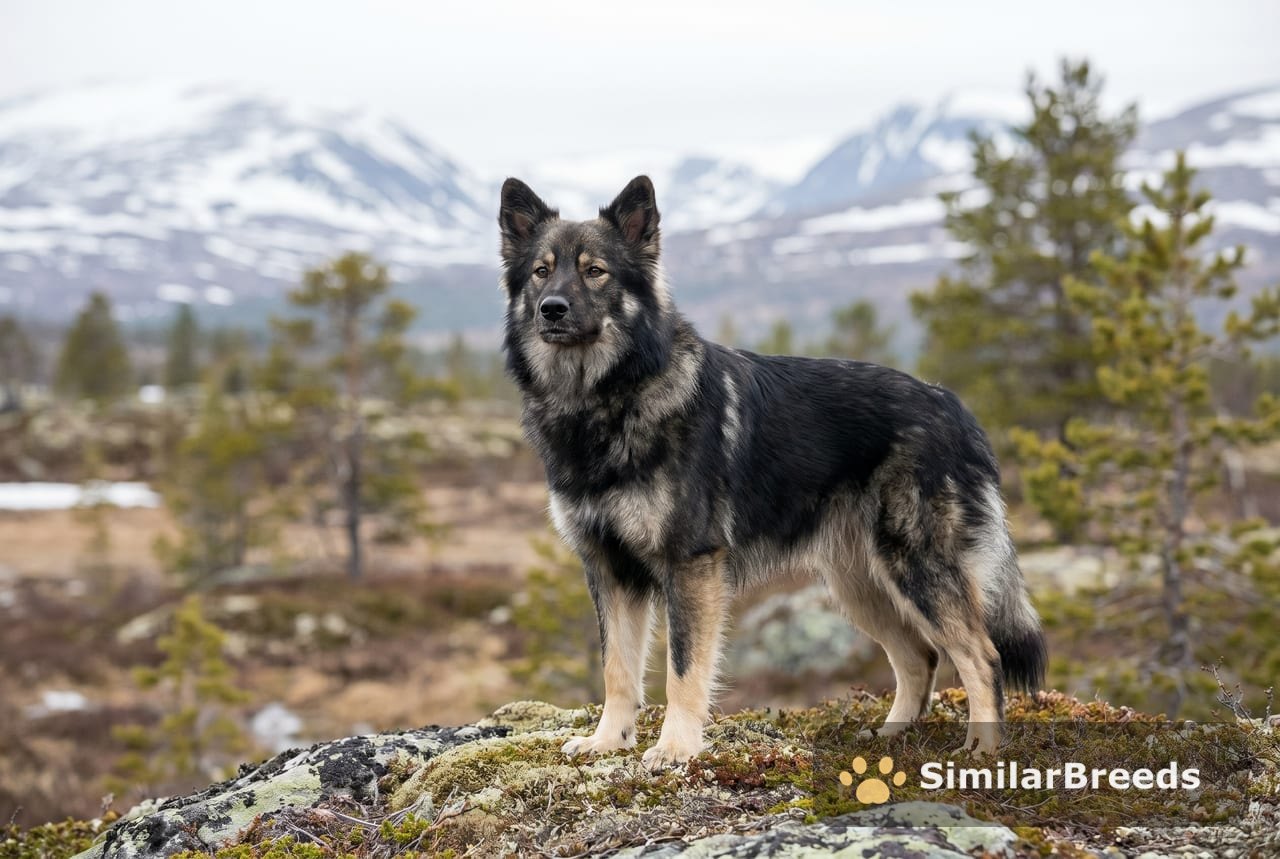
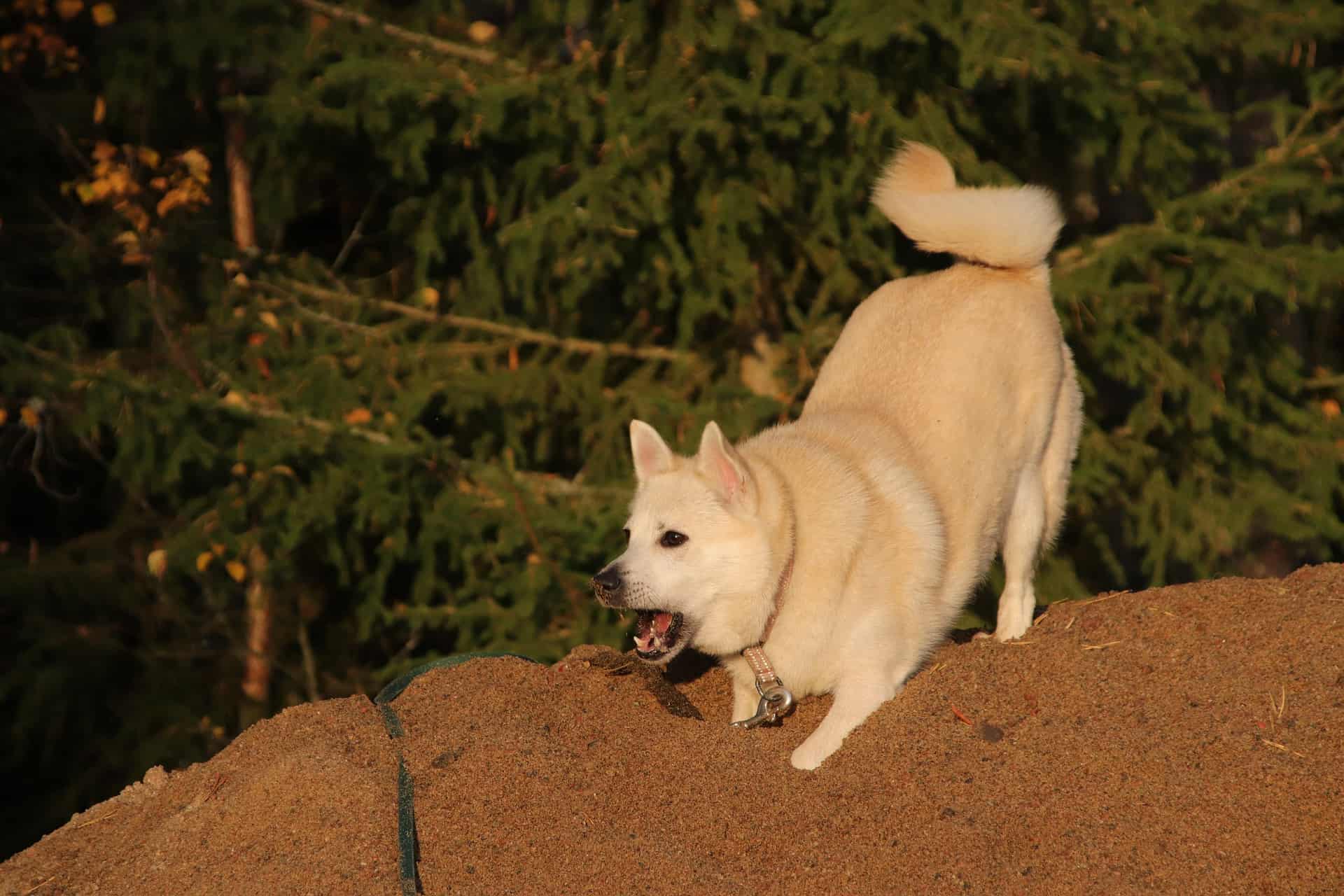
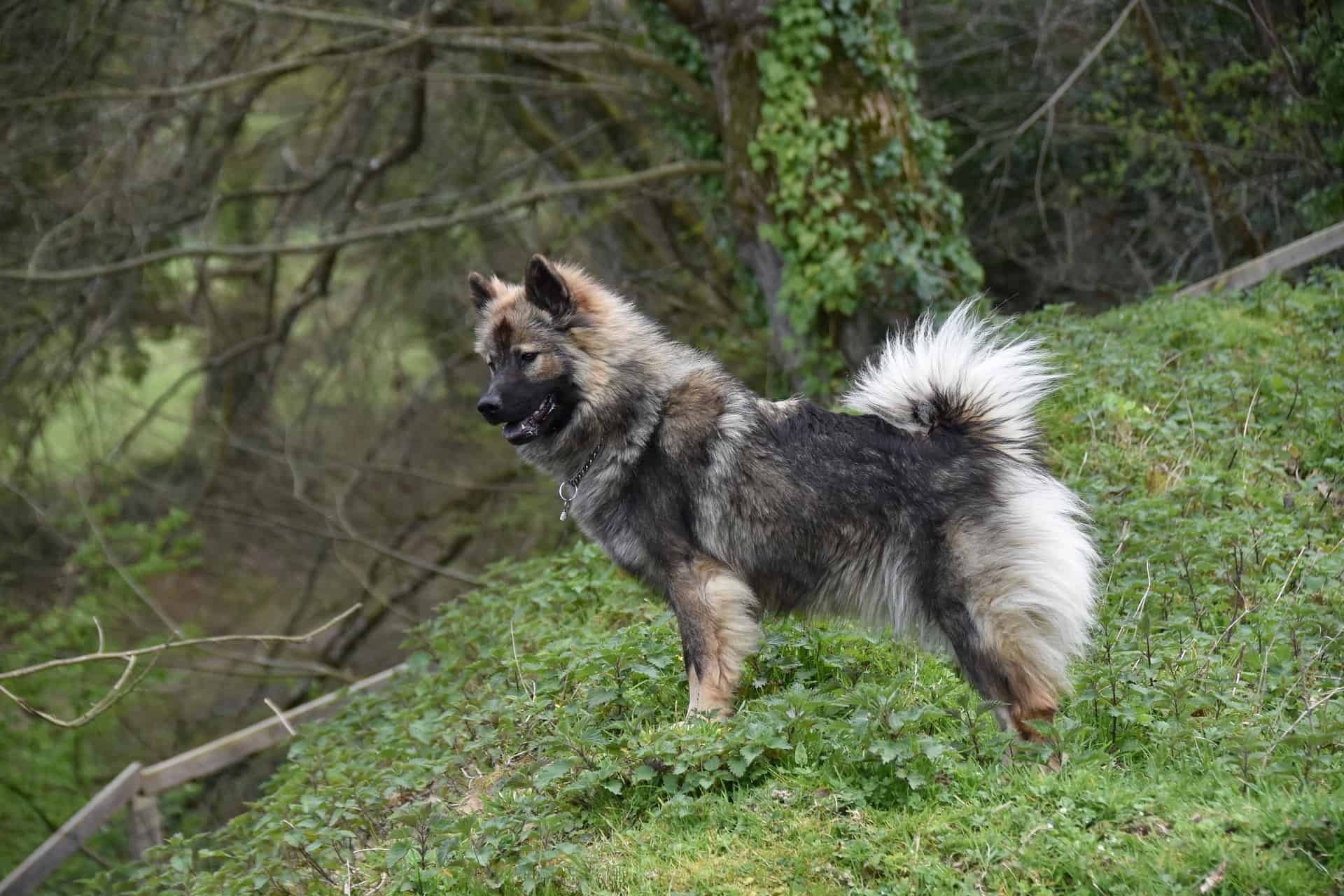
The **Finnish Spitz** is the closest cultural and geographic cousin, another ancient Finnish breed developed by the same northern people for work in the same landscape, sharing the spitz build, the vocal watchdog temperament, and the dense cold-weather coat. The **Lapponian Herder** is essentially the Finnish Lapphund's short-coated sibling: they were the same breed until 1967, when the kennel clubs separated them, so the shared origin, herding function, and Sámi heritage are literal rather than approximate.
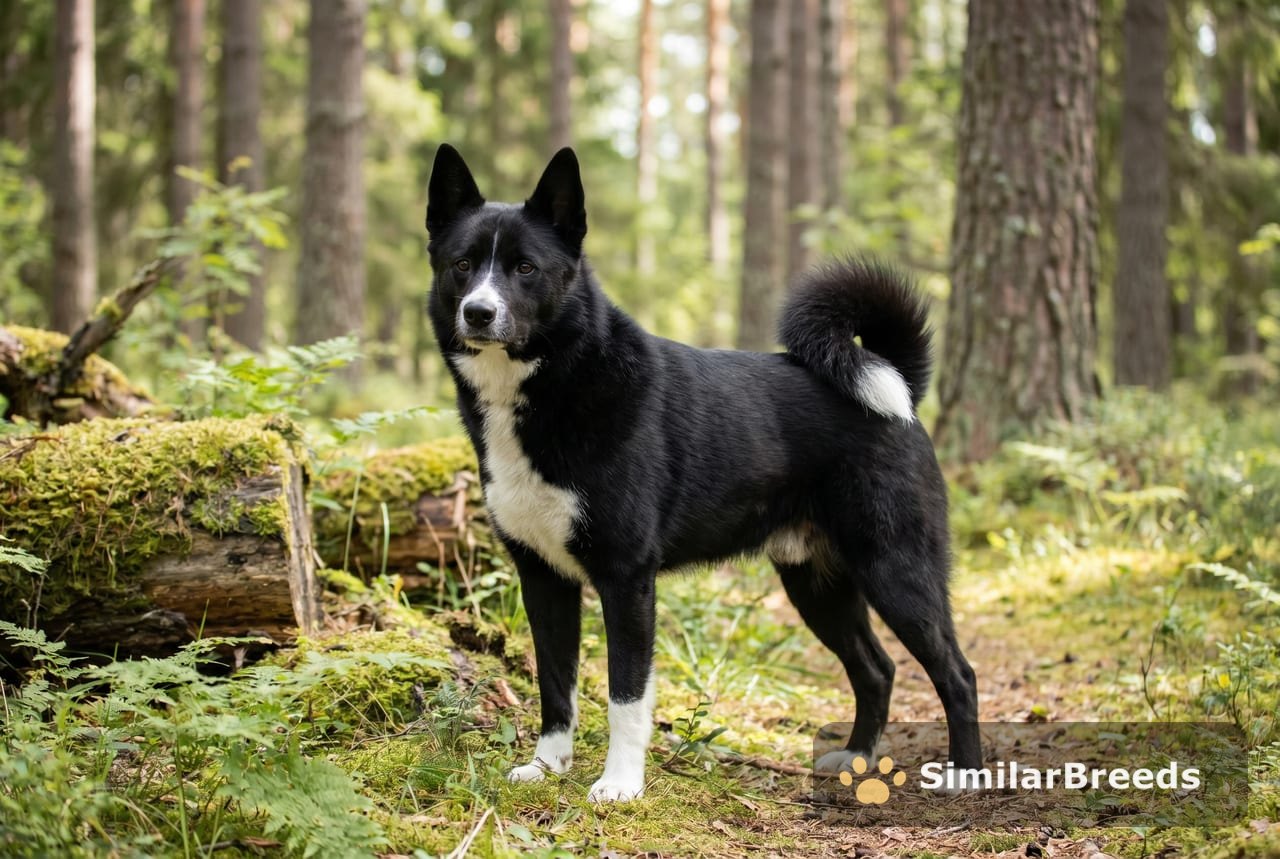
The **Norwegian Buhund** and **Icelandic Sheepdog** are fellow Scandinavian herding spitzes, bred by neighbouring northern peoples for the same purpose of gathering livestock in harsh climates, and they share the compact build, prick ears, weather-resistant coat, and alert bark. The **Karelian Bear Dog** comes from the same northern Finnish and Karelian gene pool, and while its job was hunting rather than herding, the physical type, cold hardiness, and independent Nordic character overlap clearly.
The **Eurasier** is the outlier: a 20th-century German breed created partly from Nordic spitz stock (including the Samoyed and Chow Chow), it shares the calm, devoted family temperament and the thick double coat, connecting to the Lapphund through type and character rather than a direct working heritage.
Trait ratings
- Energy level
- 4/5
- Exercise requirements
- 4/5
- Playfulness
- 3/5
- Affection level
- 3/5
- Friendliness toward dogs
- 3/5
- Friendliness toward other pets
- 3/5
- Friendliness toward strangers
- 2/5
- Ease of training
- 4/5
- Watchdog ability
- 5/5
- Protection ability
- 2/5
- Grooming requirements
- 4/5
- Cold tolerance
- 5/5
- Heat tolerance
- 1/5