Welsh Springer Spaniel
From Great Britain
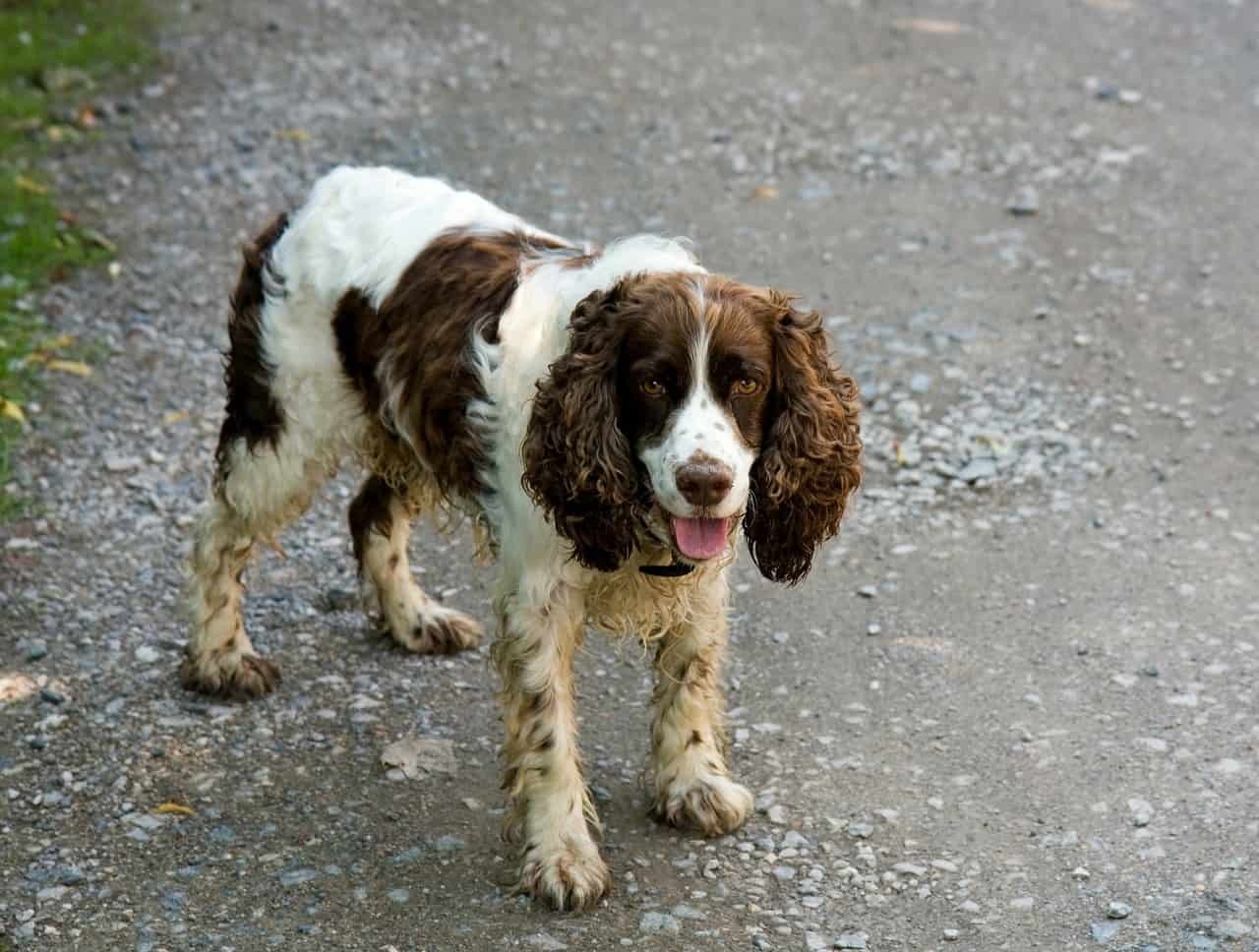
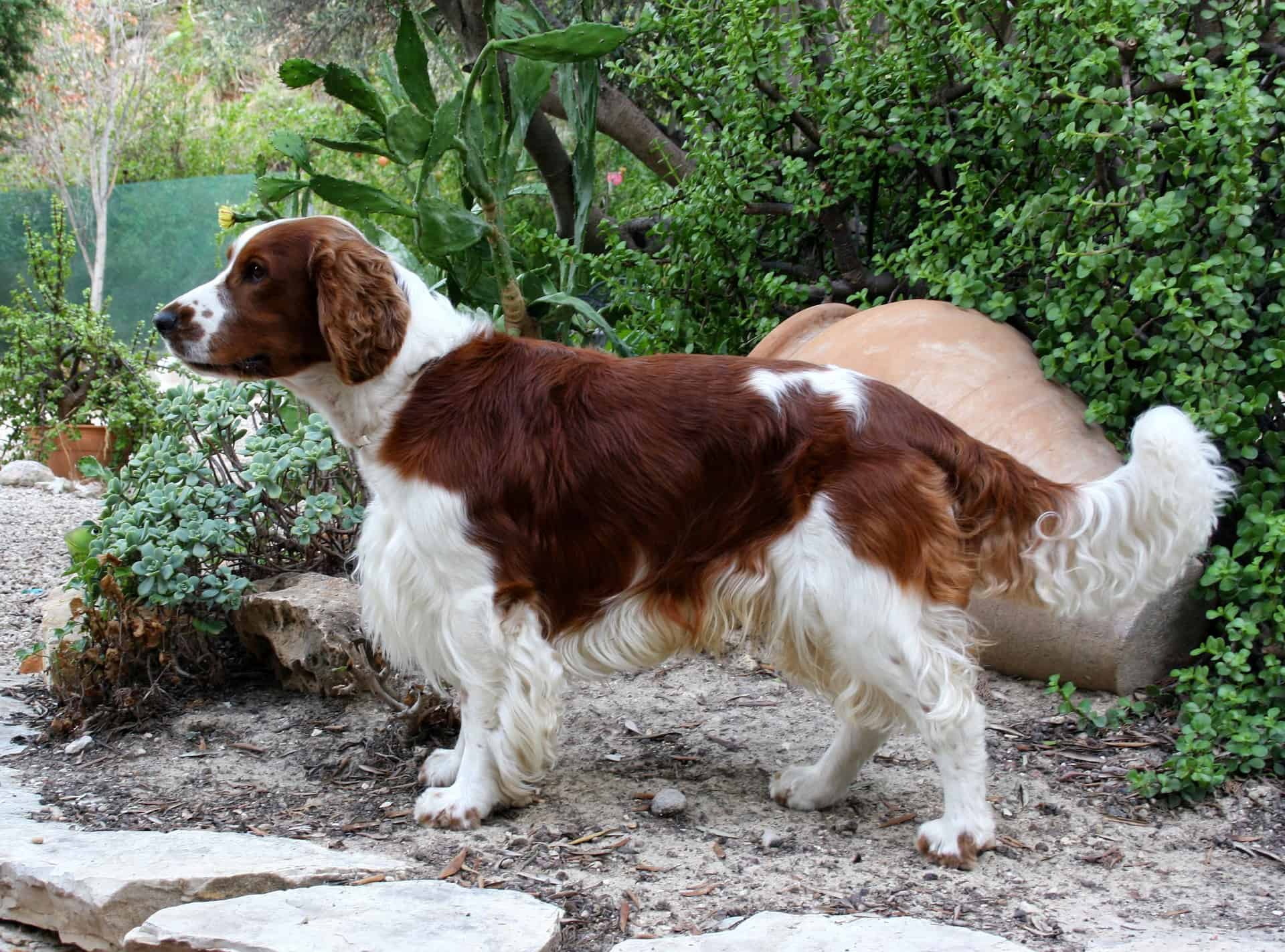
This medium-sized Welsh gundog, a near relative of the English Springer Spaniel and the English Cocker Spaniel, has a cheerful personality and makes an excellent family dog and hunting partner. It is an adventurous spirit that loves to go roaming on its own, so persistent training from early age is crucial.
Purpose & Origin
The Welsh Springer Spaniel is a bird dog from Wales with roots that stretch back several centuries. A dog matching the breed's description appears in the Laws of Wales from around 1300, though whether that animal is a direct ancestor of the modern Welsh Springer remains contested. What is clearer is that the breed developed alongside, or possibly through crosses with, English Springers and Clumber Spaniels.
At early English dog shows, Welsh and English Springers were exhibited as a single breed, distinguished only by coat colour. The Welsh earned formal AKC recognition in 1906, nearly disappeared in America by the end of World War II, and was rebuilt by a new wave of imports and dedicated breeders. In the field it remains a practical, all-terrain gundog: a good nose, willingness to work land and water, and the stamina to flush and retrieve across varied country.
Temperament & Behaviour
The Welsh Springer sits a notch quieter than its English cousin. It is a devoted, even-tempered dog with a strong attachment to its family, but it carries an independent streak that keeps it from being purely eager-to-please. Strangers get a cool reception, and some individuals lean toward timidity, making early and broad socialisation genuinely important rather than optional. Affection at home is real, but the breed is not especially demonstrative with people it does not know. It is a good watchdog for that reason, alert and ready to sound an alarm, though it offers little in the way of physical deterrence.
Activity & Training
Despite its moderate energy rating, the Welsh Springer needs consistent daily exercise to stay settled. Long leash walks combined with vigorous yard play cover the minimum, but the breed is happiest out in the field or on a lengthy hike. Its hunting instinct is intact, and a dog left with too little outlet will use its nose to find trouble on its own. Training is neither difficult nor effortless. The Welsh is intelligent but independent, and that combination means results come with patience and consistency rather than from a few short sessions. It responds better to positive methods than to pressure.
Grooming
The flat, silky red-and-white coat needs brushing once or twice a week to stay clean and tangle-free. It is not a coat that demands extensive daily work, but the feathering on the ears, legs, and chest picks up debris and can mat if ignored. Occasional scissoring around the edges keeps the outline tidy. Ears should be checked regularly given the breed's susceptibility to ear infections.
Health
The Welsh Springer is a generally sound breed with a life span of 12 to 15 years. The main structural concern is hip dysplasia, which warrants testing in breeding stock. Glaucoma, cataracts, epilepsy, elbow dysplasia, and hypothyroidism appear at lower rates. Responsible breeders test hips, eyes, thyroid, and elbows. Ear health deserves routine attention, as the drop ears and field work create conditions where otitis externa can take hold.
Why these breeds are similar
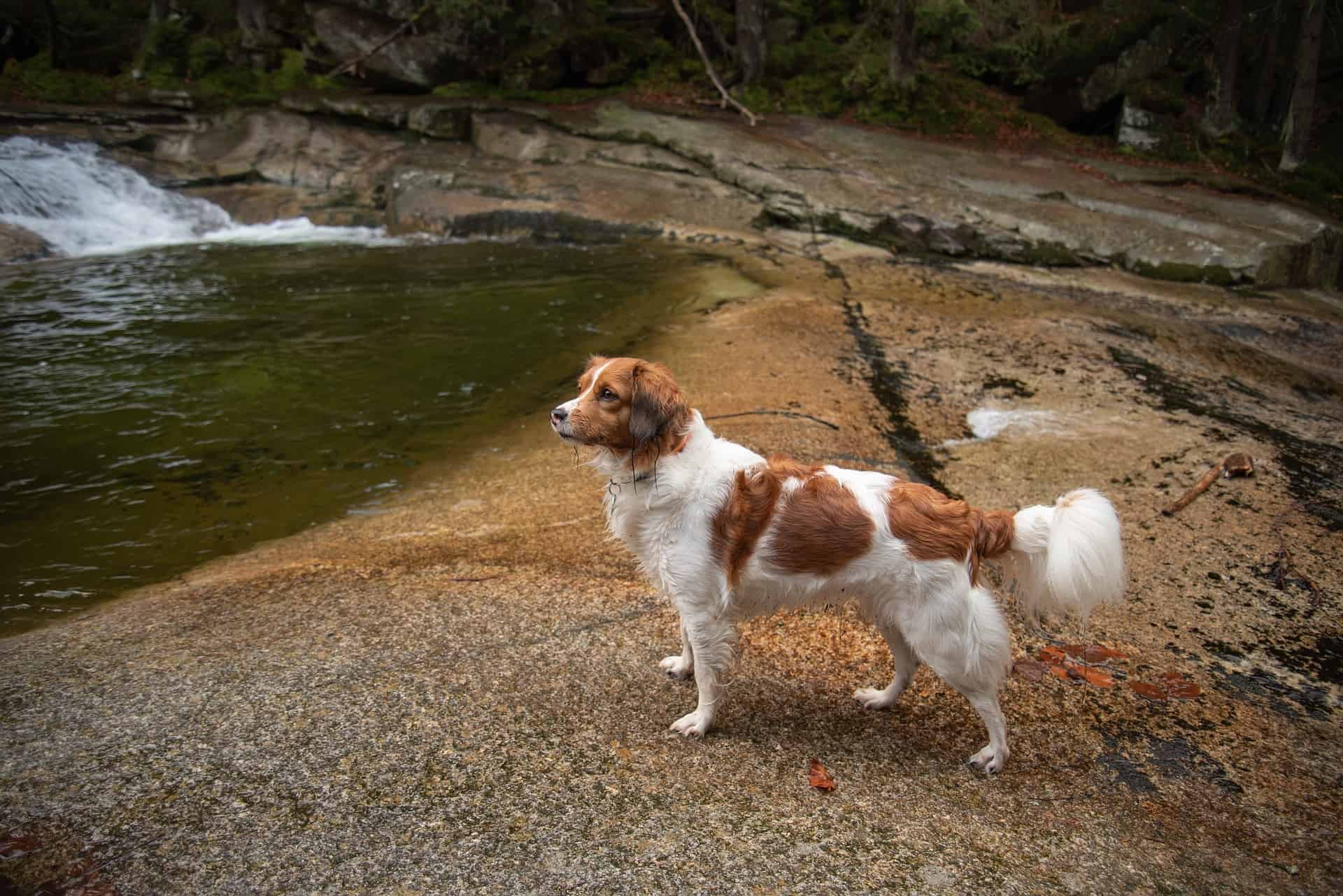
The English Springer Spaniel is the obvious first comparison: same spaniel family, same flushing-and-retrieving purpose, and a shared early history when both were shown as a single breed. The English Springer is more exuberant and more widely kept, but the core job and build are essentially identical. The Kooikerhondje is a Dutch bird dog whose traditional role was luring ducks into a trap channel, and while the mechanism differs from active flushing, it shares the spaniel-adjacent build, the orange-and-white coat pattern, and the same alert, biddable-but-independent character.
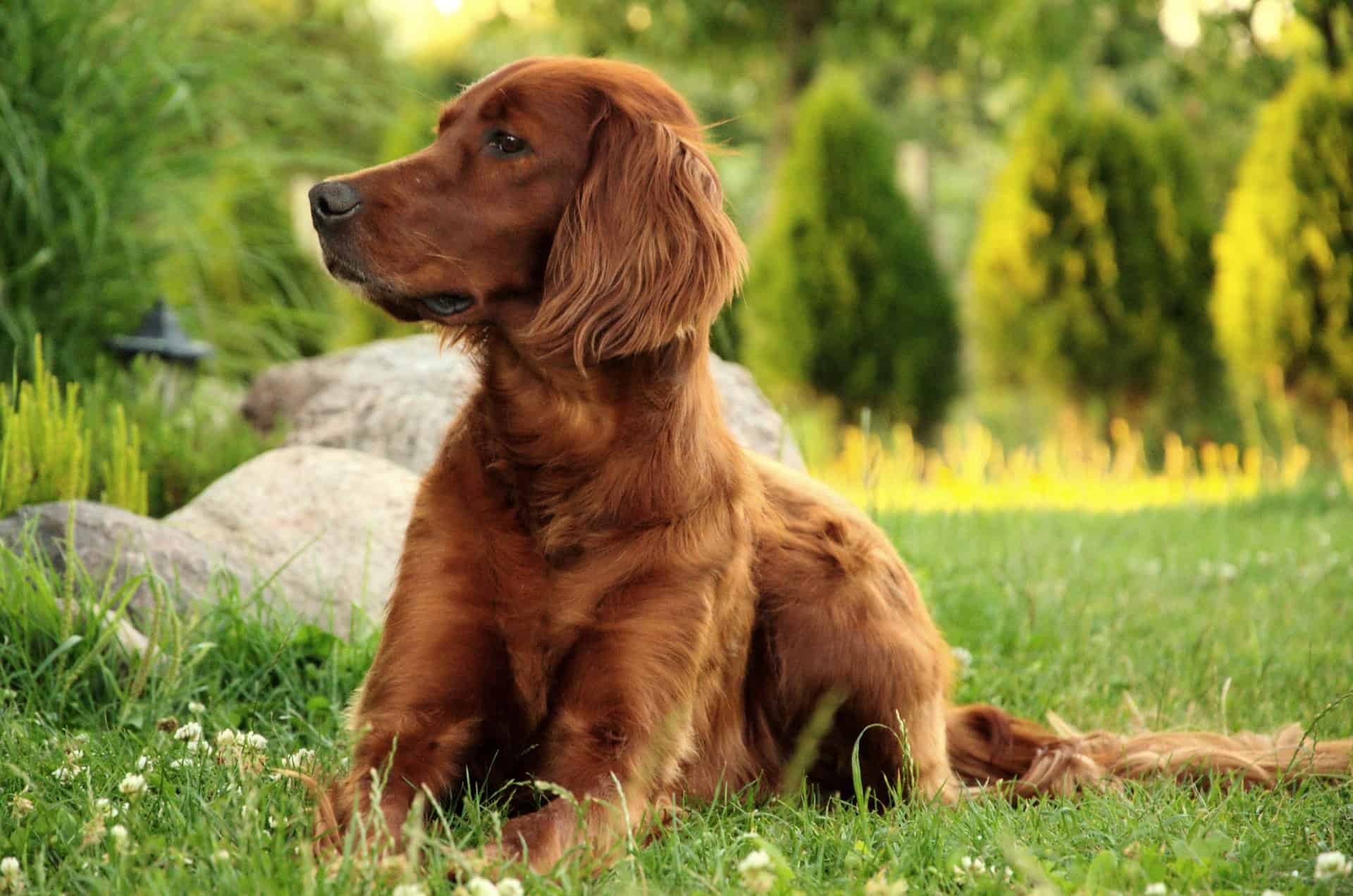
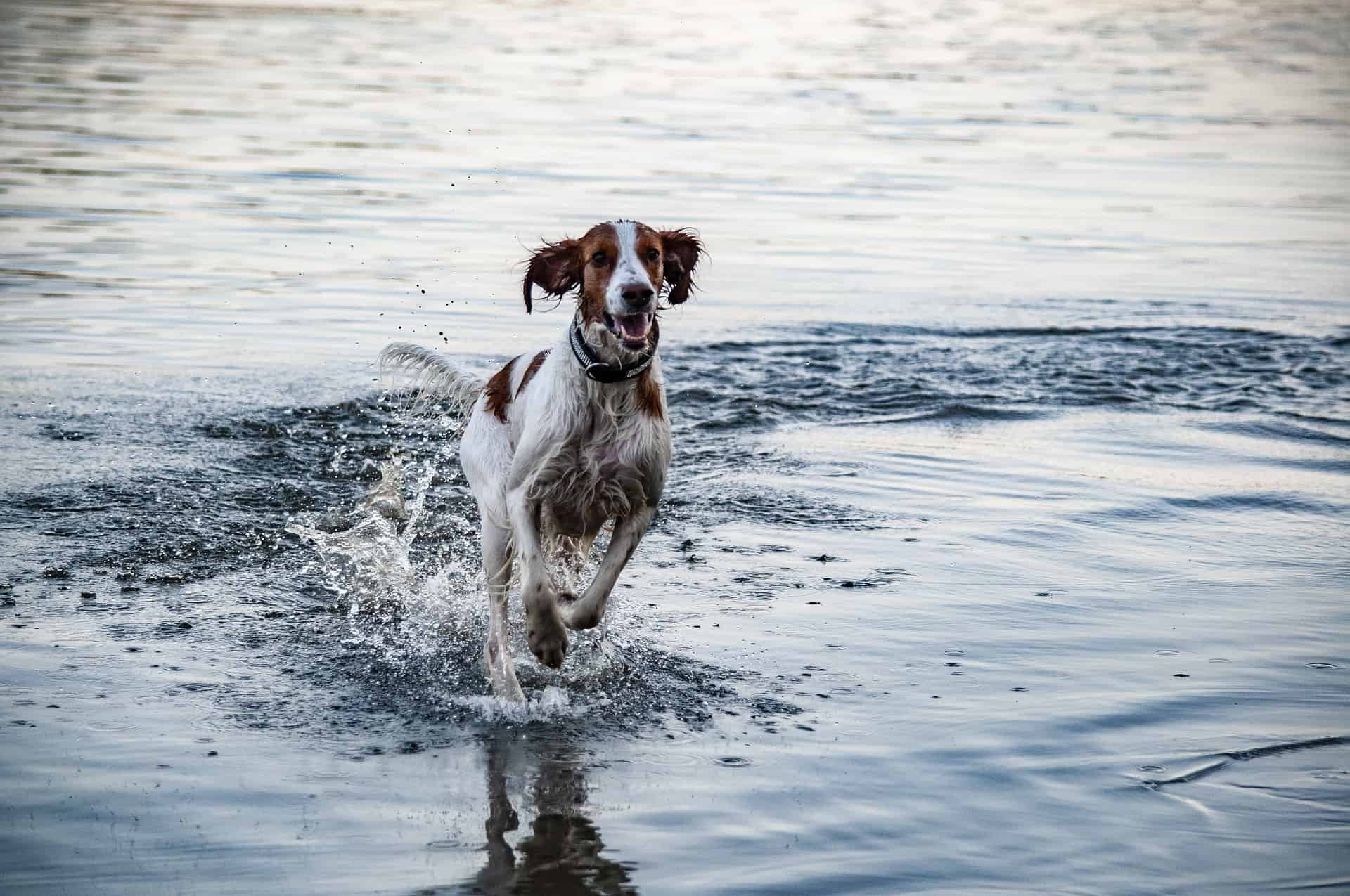
The Irish Setter connects through the broader bird-dog group: a long-coated, energetic hunting spaniel that works upland birds and carries similar exercise demands and strong family devotion. The Irish Red and White Setter is the Irish Setter's older, more workmanlike cousin, and its parti-coloured red-and-white coat maps almost directly onto the Welsh Springer's distinctive marking, while its field temperament and moderate independence mirror the Welsh closely.
Trait ratings
- Energy level
- 3/5
- Exercise requirements
- 3/5
- Playfulness
- 3/5
- Affection level
- 4/5
- Friendliness toward dogs
- 3/5
- Friendliness toward other pets
- 3/5
- Friendliness toward strangers
- 2/5
- Ease of training
- 3/5
- Watchdog ability
- 4/5
- Protection ability
- 2/5
- Grooming requirements
- 3/5
- Cold tolerance
- 3/5
- Heat tolerance
- 3/5