Old English Sheepdog
From Great Britain
Purpose & Origin
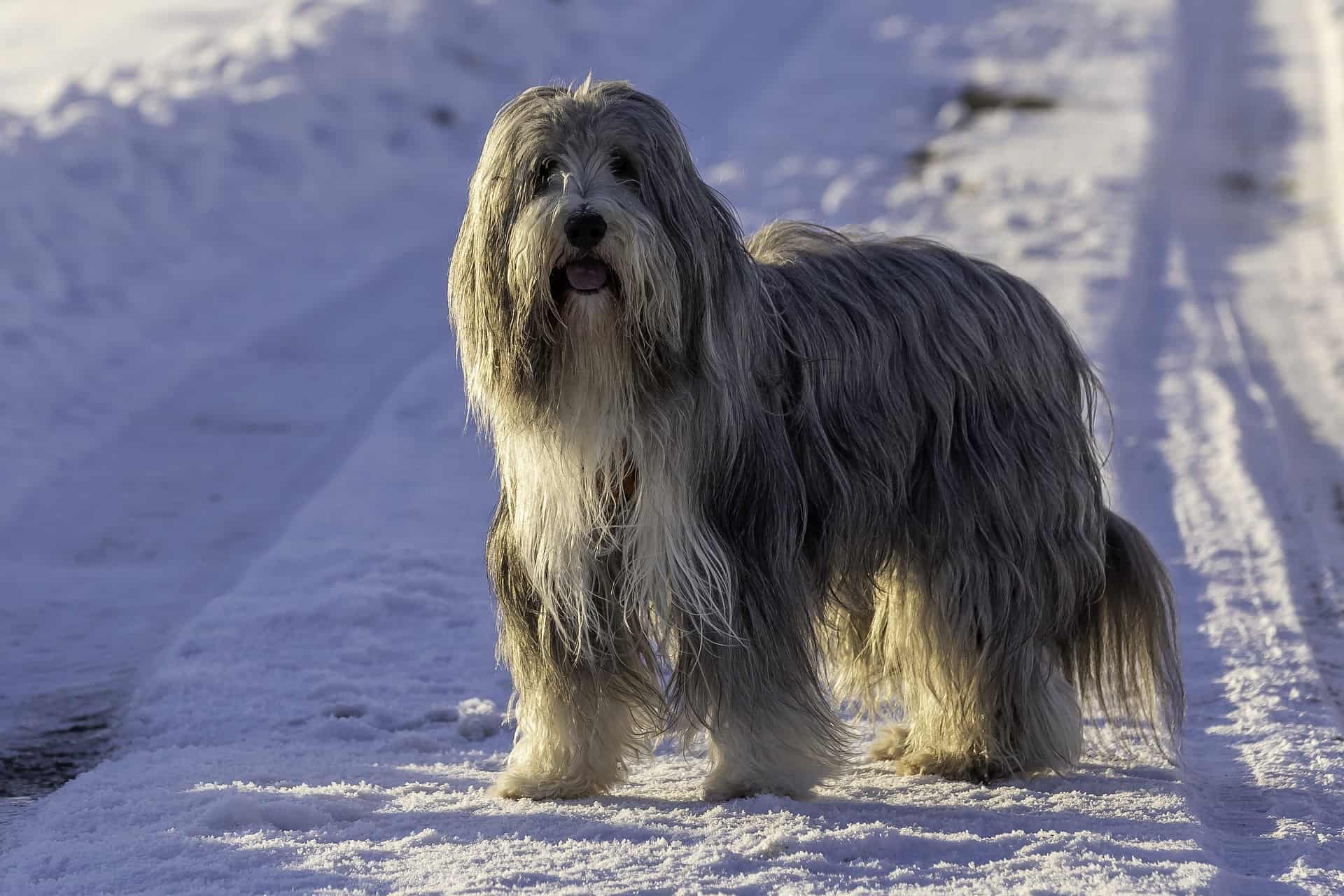
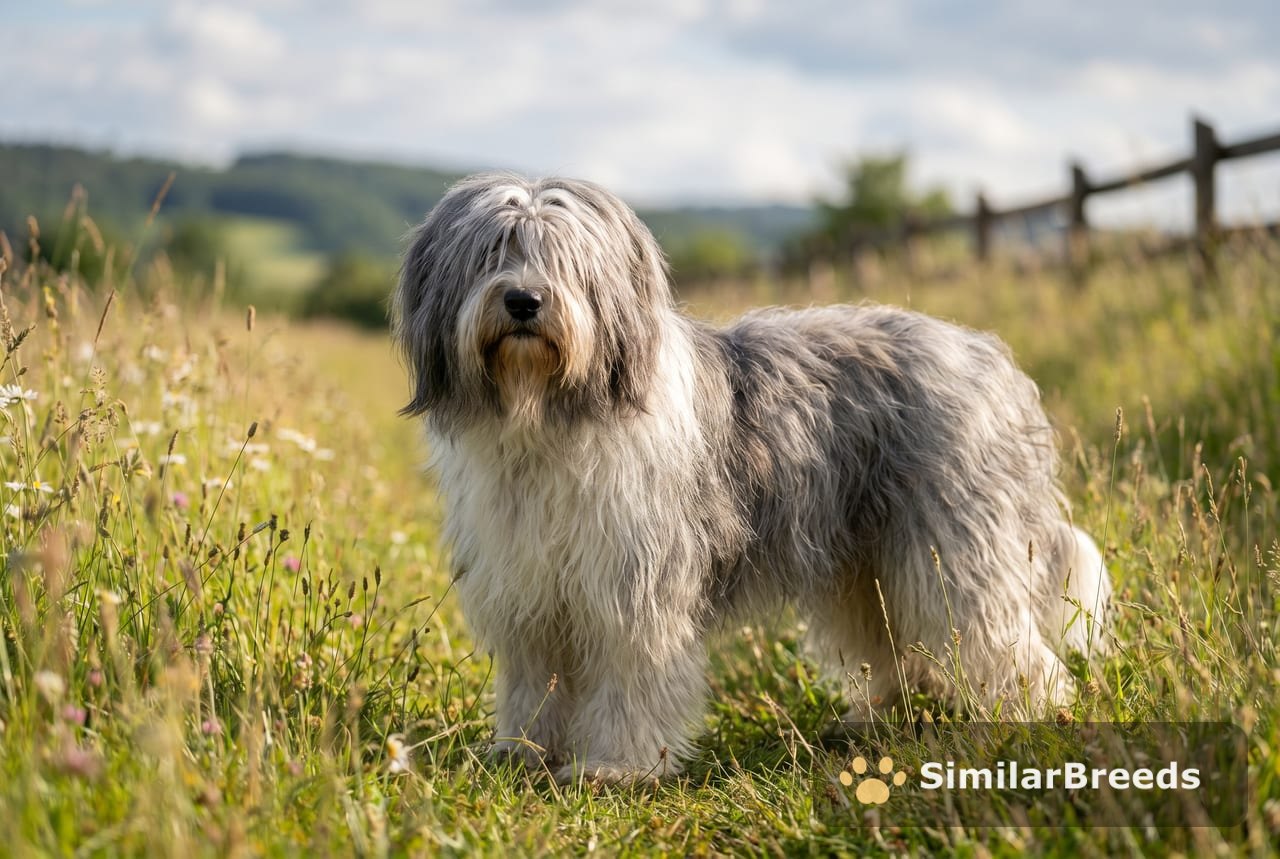
The Old English Sheepdog came out of western England in the 1800s, most likely descended from the Bearded Collie or the Russian Owtcharka. Its original job was serious: a strong, capable dog that could protect livestock from wolves and later drive cattle and sheep to market. Working dogs were exempt from dog taxes at the time, but owners had to dock their tails as proof of occupation. That practice stuck, giving the breed its enduring nickname, the Bobtail. The AKC recognised it in 1905.
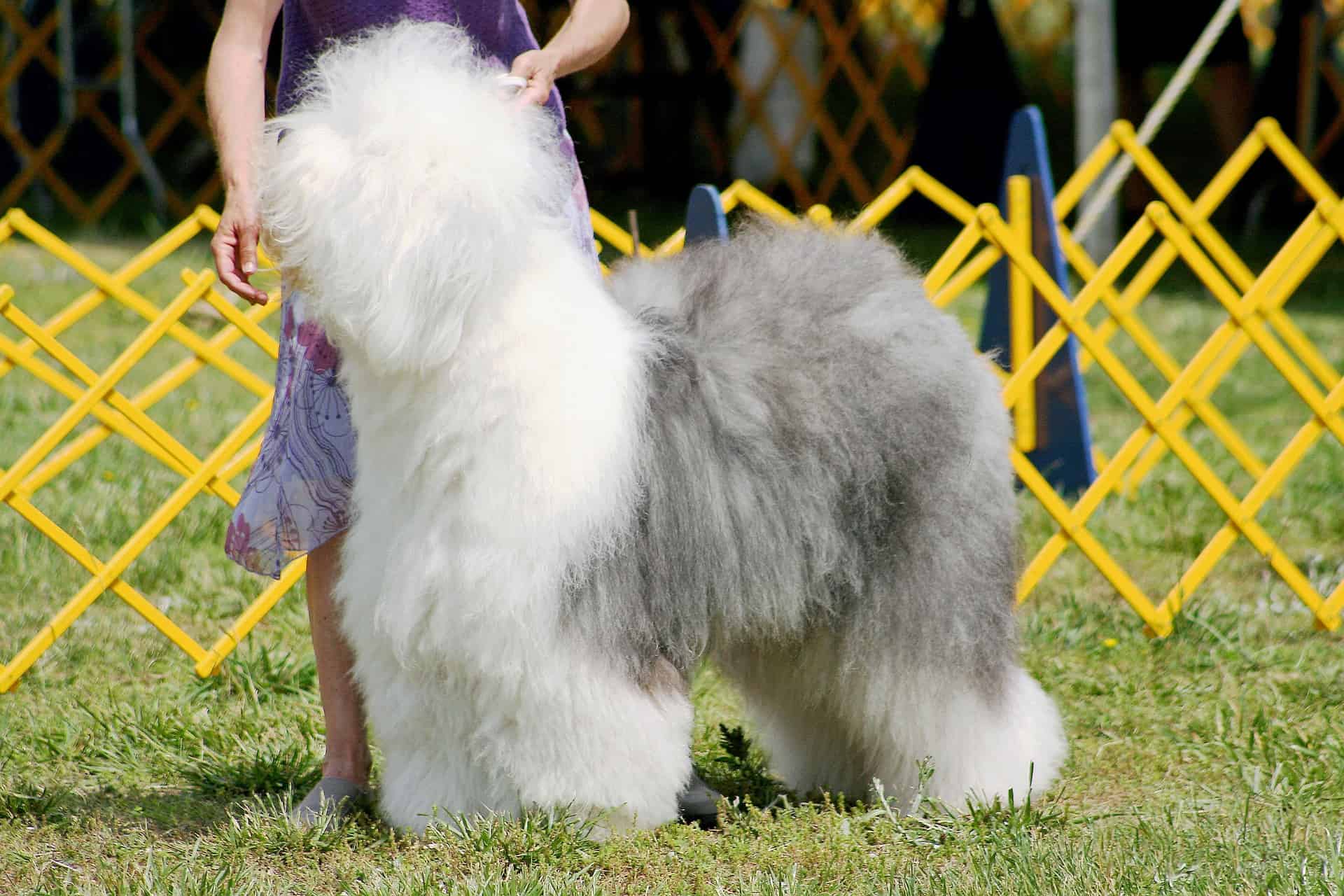
Early specimens could be brown, but the breed eventually settled into shades of grey with white, and the coat grew more profuse than what those first drovers worked with. A burst of media exposure in the 1970s turned the Bobtail into a pop-culture icon and briefly made it one of the most sought-after pets in the country. Numbers have eased since then, but the breed remains recognisable worldwide.
Temperament & Behaviour
The Old English is among the most genuinely affectionate dogs you will encounter, scoring at the top of the scale for devotion to its family and comfort around other household pets. It is a homebody, happiest in the thick of family life, and it tends children the way it once tended flock members. Strangers are generally welcomed rather than viewed with suspicion. The breed is not without edge: some individuals are decidedly headstrong, and that herding instinct means it will occasionally try to organise people and animals whether or not anyone asked. Its comedic streak is real and well-documented.
Activity & Training
Exercise needs are moderate rather than extreme, but this is still a working-class dog that needs a proper daily outing, whether a long walk or a vigorous off-lead run. It takes particular pleasure in any activity that involves herding. Training is where owners earn their patience: ease-of-training scores low, and the Bobtail's independent streak means it will test commands it disagrees with. It is not aggressive or spiteful, simply opinionated. Consistent, reward-based work from puppyhood produces a well-mannered dog, but first-time owners who expect quick obedience will likely be frustrated.
Grooming
The coat is the breed's most demanding feature. Without brushing or combing every other day, the dense double coat mats quickly, and mats close to the skin can cause skin problems if left unchecked. The breed also has a habit of tracking debris indoors. In warm weather, the coat becomes a real burden for the dog: heat tolerance is low, and owners in hot climates need to be attentive during summer. Many pet owners keep the coat clipped short to reduce maintenance, though show dogs are presented in full profuse trim.
Health
The Old English Sheepdog carries a meaningful hip dysplasia risk, making hip evaluation important before buying from a breeder. Eye conditions including cataracts, retinal detachment, and progressive retinal atrophy appear in the breed, as does hereditary deafness and cerebellar ataxia. Ear infections and gastric torsion (bloat) are also noted concerns. Thyroid and hearing tests round out the recommended screening panel. Life expectancy runs roughly ten to twelve years.
Why these breeds are similar
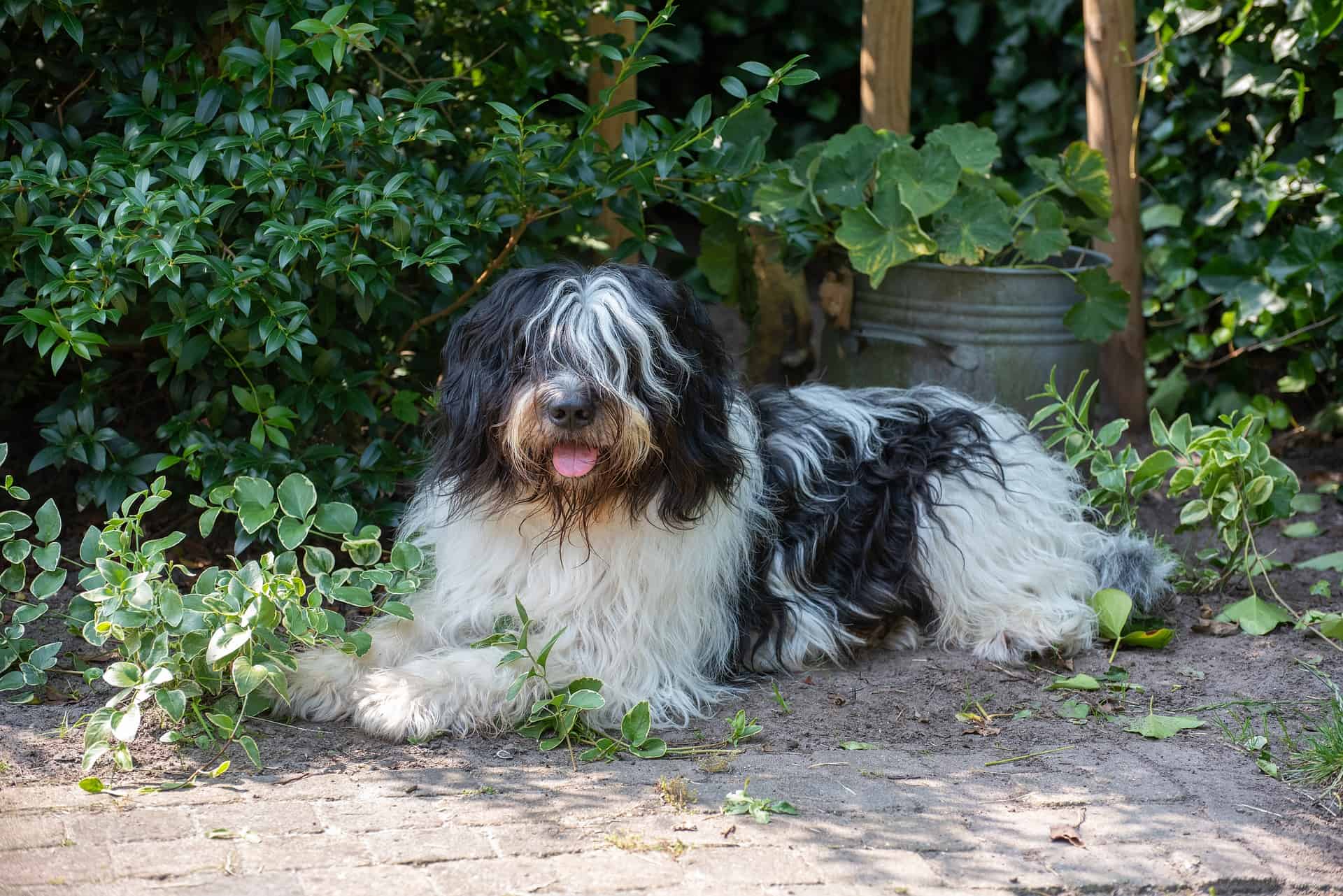
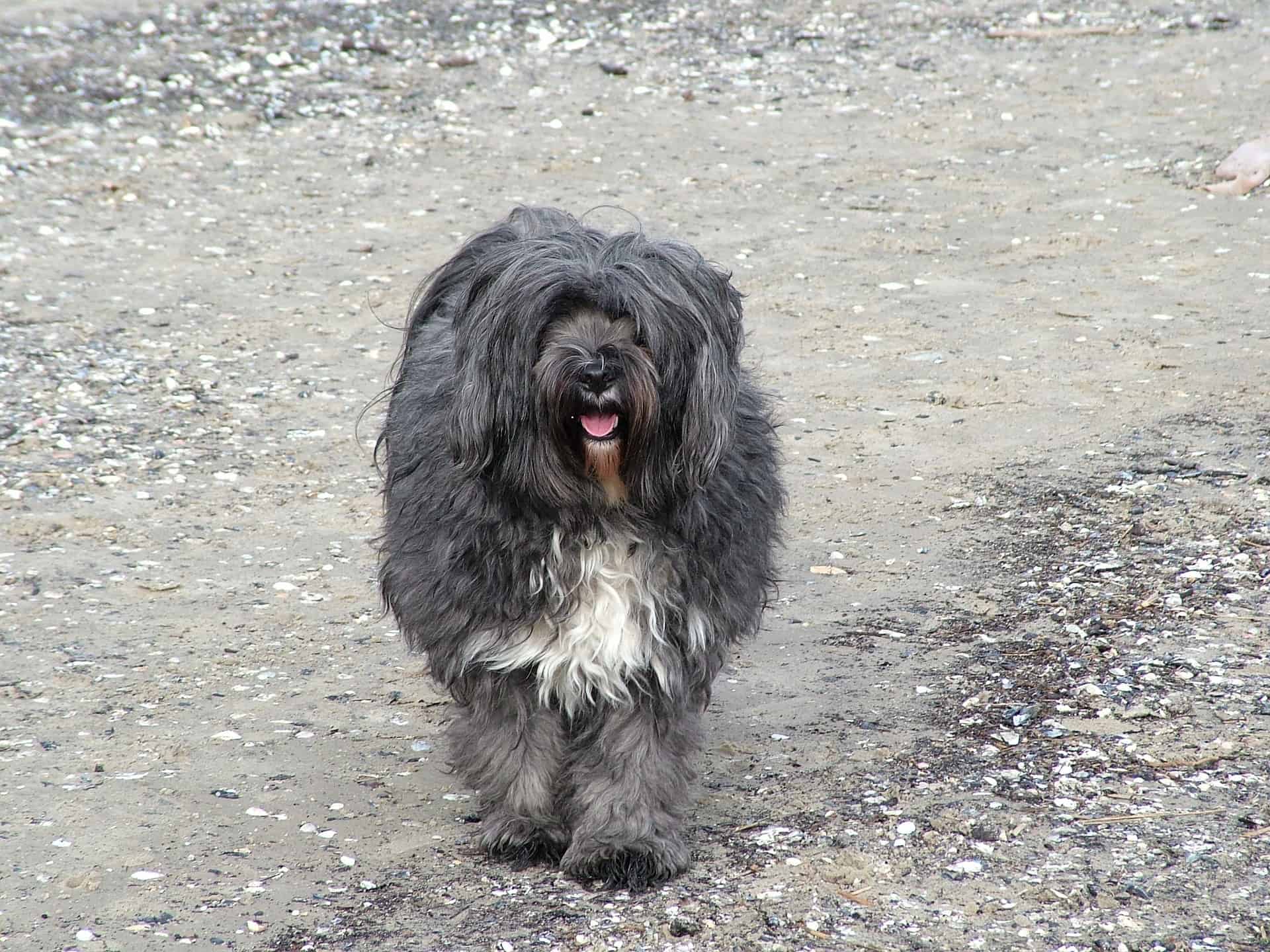
The Bearded Collie shares the most direct overlap, appearing in the Old English's own probable ancestry. Both are British herding dogs with long, shaggy coats, strong family bonds, and an independent working style developed for driving rather than close-flanking work. The Polish Lowland Sheepdog (PON) is a compact Continental cousin with the same herding lineage, a similarly dense double coat, and a stubborn streak that mirrors the Bobtail's. The Schapendoes is the Dutch equivalent, a lightly built but profusely coated herding dog whose cheerful, energetic character echoes the OES's playful side.
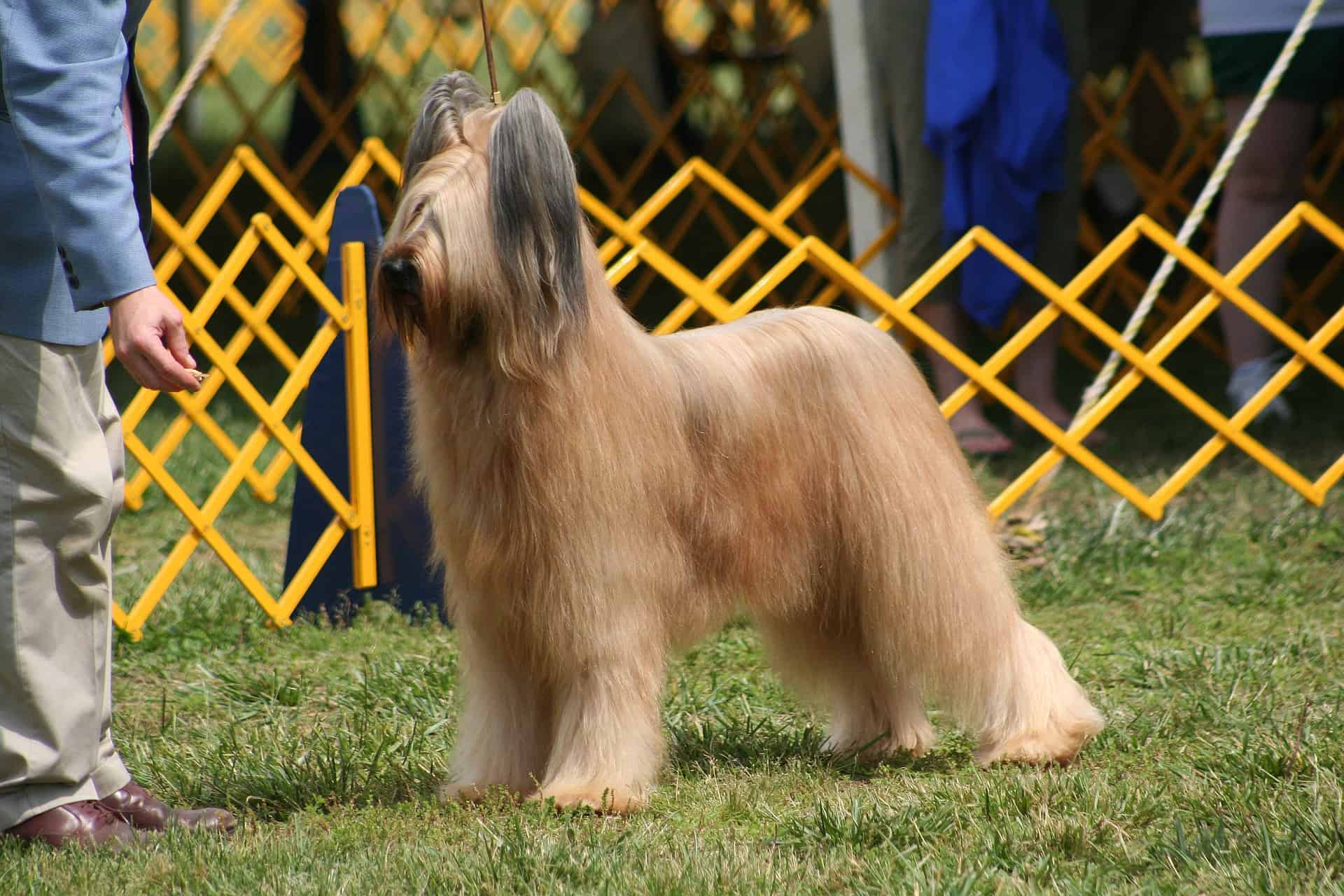
The Briard is the French heavyweight of the group, a large, long-coated herder with deep family loyalty and the same working-dog independence that makes all these breeds rewarding but demanding to train. The Tibetan Terrier is the outlier in terms of function, but the shared feature is coat: a long, dense double coat built for harsh weather, combined with a devoted and somewhat willful temperament that puts it in recognisably similar territory for the day-to-day owner.
Trait ratings
- Energy level
- 3/5
- Exercise requirements
- 3/5
- Playfulness
- 3/5
- Affection level
- 5/5
- Friendliness toward dogs
- 3/5
- Friendliness toward other pets
- 5/5
- Friendliness toward strangers
- 4/5
- Ease of training
- 2/5
- Watchdog ability
- 3/5
- Protection ability
- 3/5
- Grooming requirements
- 4/5
- Cold tolerance
- 4/5
- Heat tolerance
- 2/5