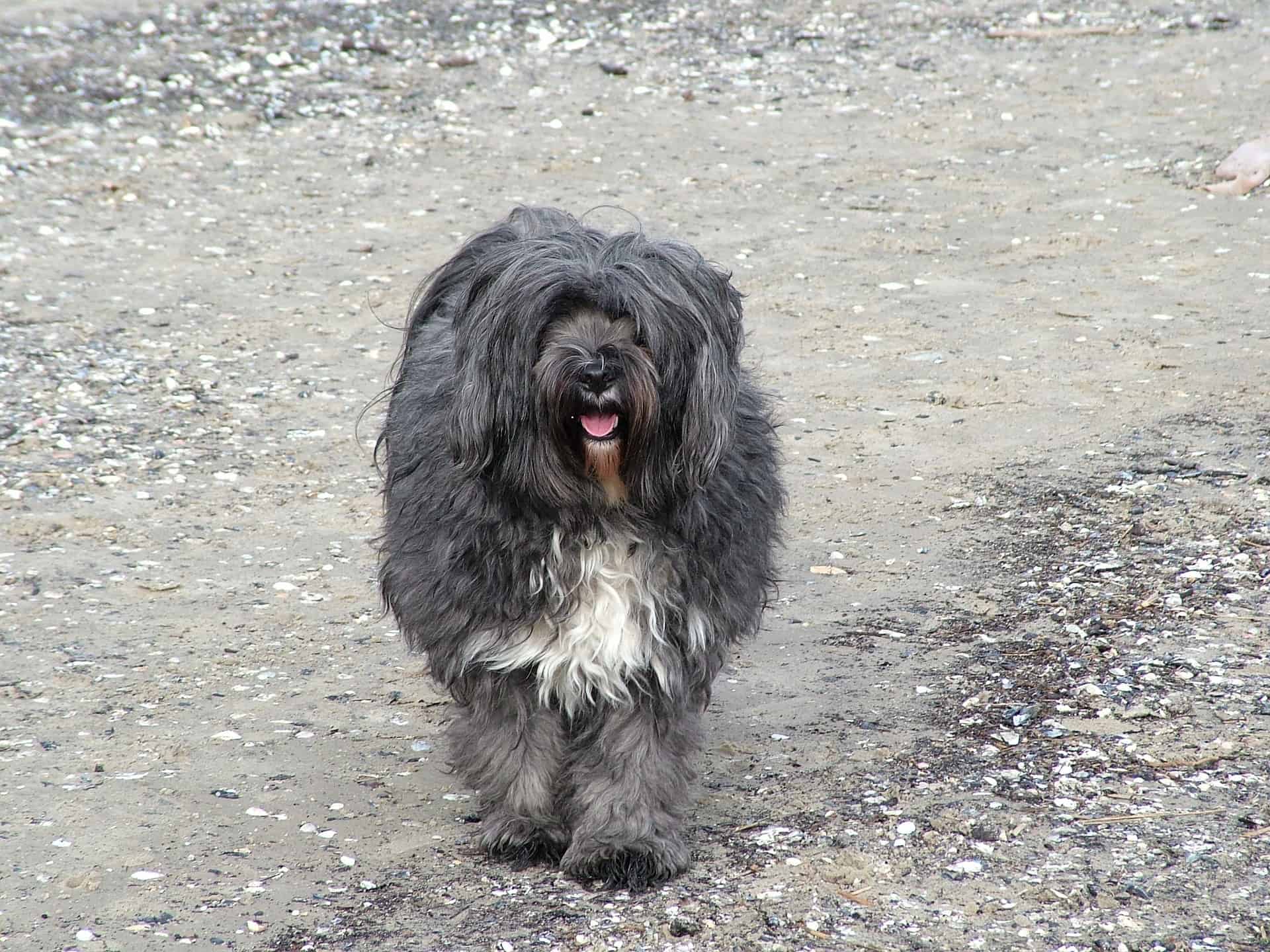
Polish Lowland Sheepdog
From Poland
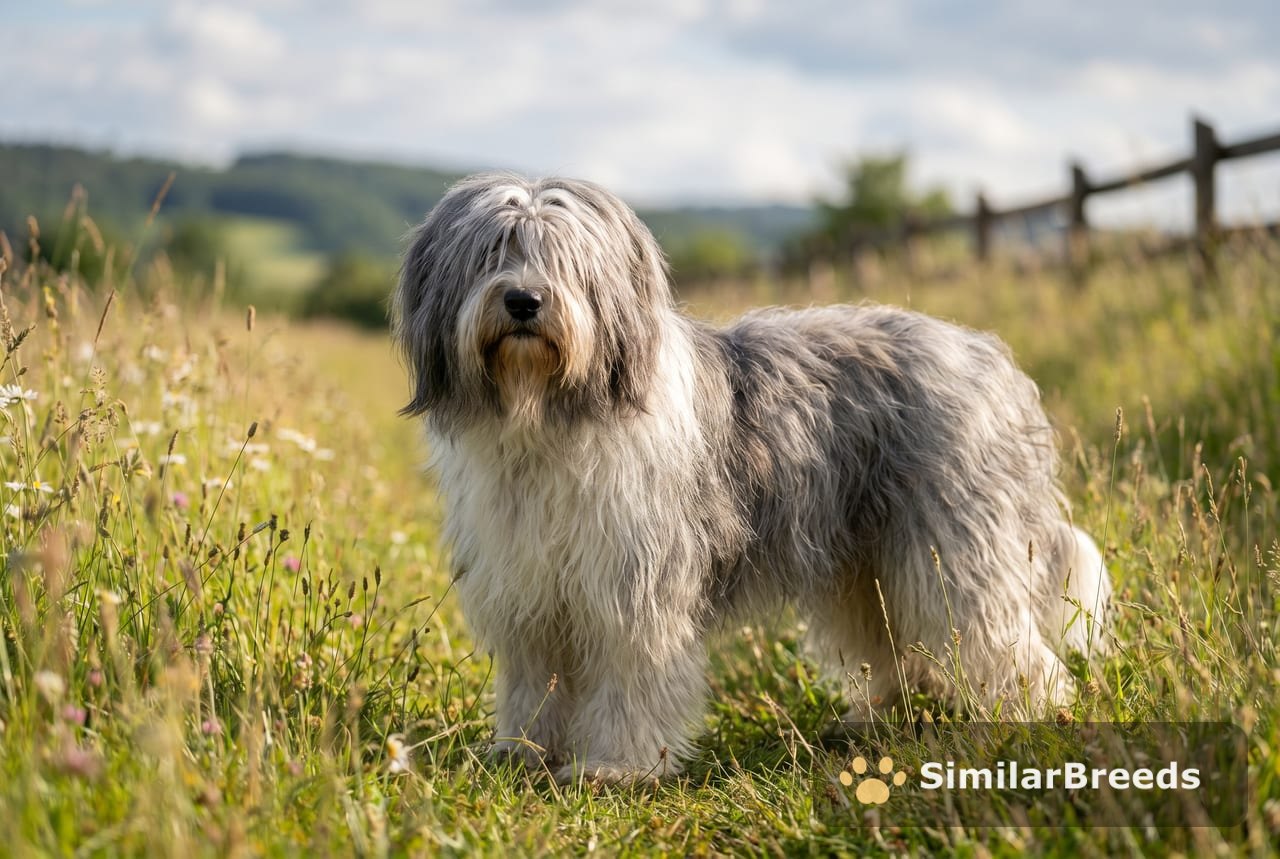
Purpose & Origin
The Polish Lowland Sheepdog, known almost universally by its initials PON (from Polski Owczarek Nizinny), is an old Polish herding breed whose roots trace back to Central Asia. Tibetan traders likely brought long-coated dogs westward into Eastern Europe, where they were crossed with corded Hungarian sheepdogs that arrived with the Huns in the fourth century. What emerged was a compact, shaggy working dog sized right for sheep herding: small enough not to spook the flock, tough enough to work all day on the Polish lowlands.
While larger guardian breeds dealt with wolves and thieves, the PON moved and managed sheep and doubled as a watchdog. Formal breeding began in earnest after World War I, fuelled by Polish national pride, and the first breed standard was approved in 1959. The PON reached American shores in the 1980s and gained AKC recognition in 2001.
Temperament & Behaviour
The PON is lively and affectionate with its own people, but reserved and territorial with strangers. Centuries of watchdog duty are baked in: this breed barks readily and means it. Around the household it is warm and playful, good with children who treat it respectfully, and generally tolerant of other dogs and pets, though it will stand its ground if challenged. Independent and at times willful, the PON is not the type to follow commands blindly; it thinks for itself, which can read as stubbornness to anyone expecting unquestioning obedience.
Activity & Training
With energy and exercise scores both high, the PON needs genuine daily work, not a quick walk around the block. It thrives when given a job, whether herding, agility, or competitive obedience. Long confinement is not something this dog handles well. On the positive side, it learns quickly and responds well to consistent training, scoring well above average for ease of training. The willfulness is manageable with an owner who sets clear expectations early and keeps sessions purposeful. First-time owners who underestimate the breed's drive and independence tend to end up with a difficult dog.
Grooming
The thick, shaggy double coat that gives the PON its distinctive look is also a serious maintenance commitment. Brushing every couple of days is the baseline; skip sessions and the coat mats quickly. Owners who keep the coat in show condition put in substantial time. The coat does provide excellent cold tolerance, though the breed is notably sensitive to heat.
Health
The main concern flagged for the PON is canine hip dysplasia (CHD). Hip and eye testing is recommended for breeding stock. Life expectancy runs 10 to 14 years, which is reasonable for a breed in this size and working category.
Why these breeds are similar
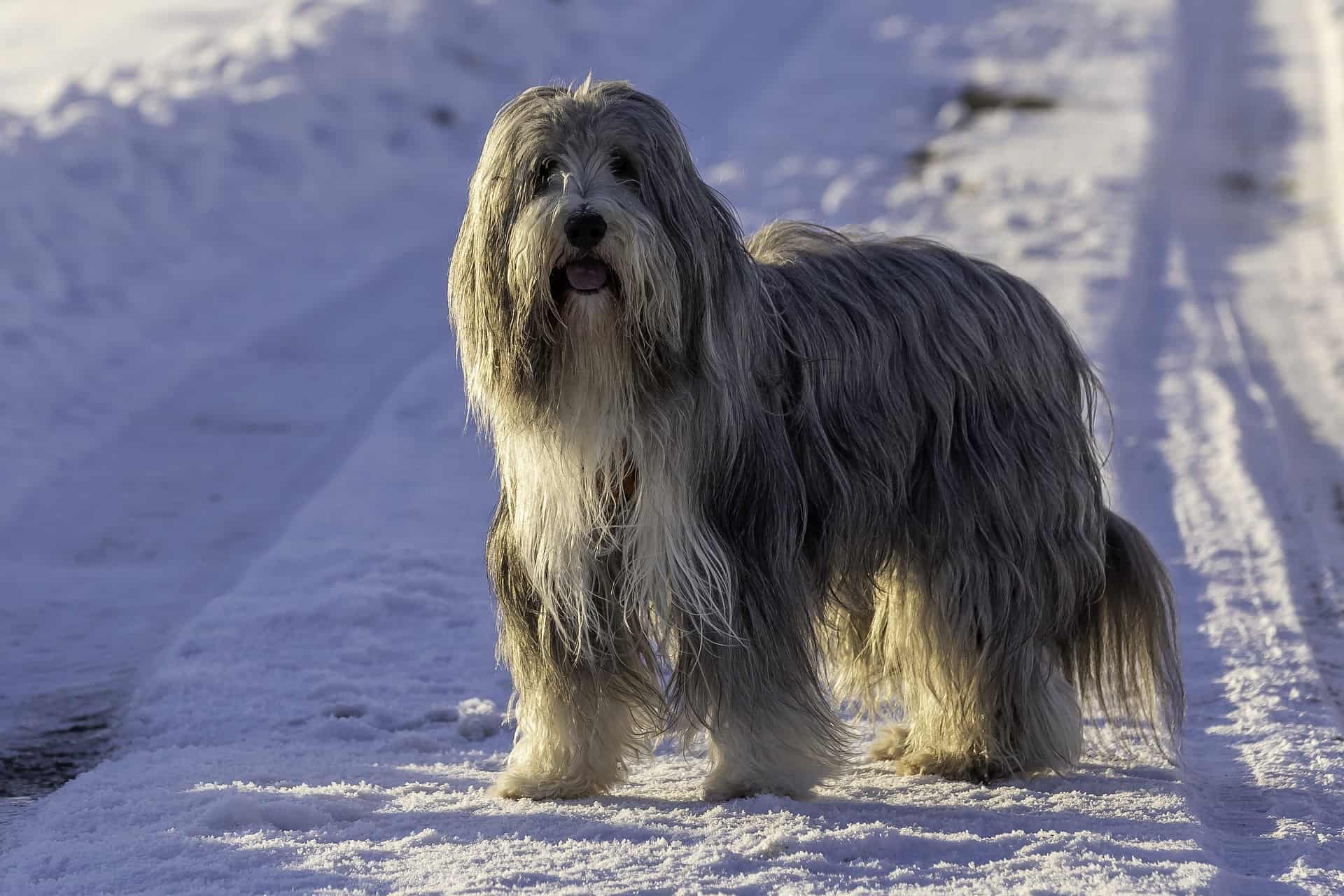
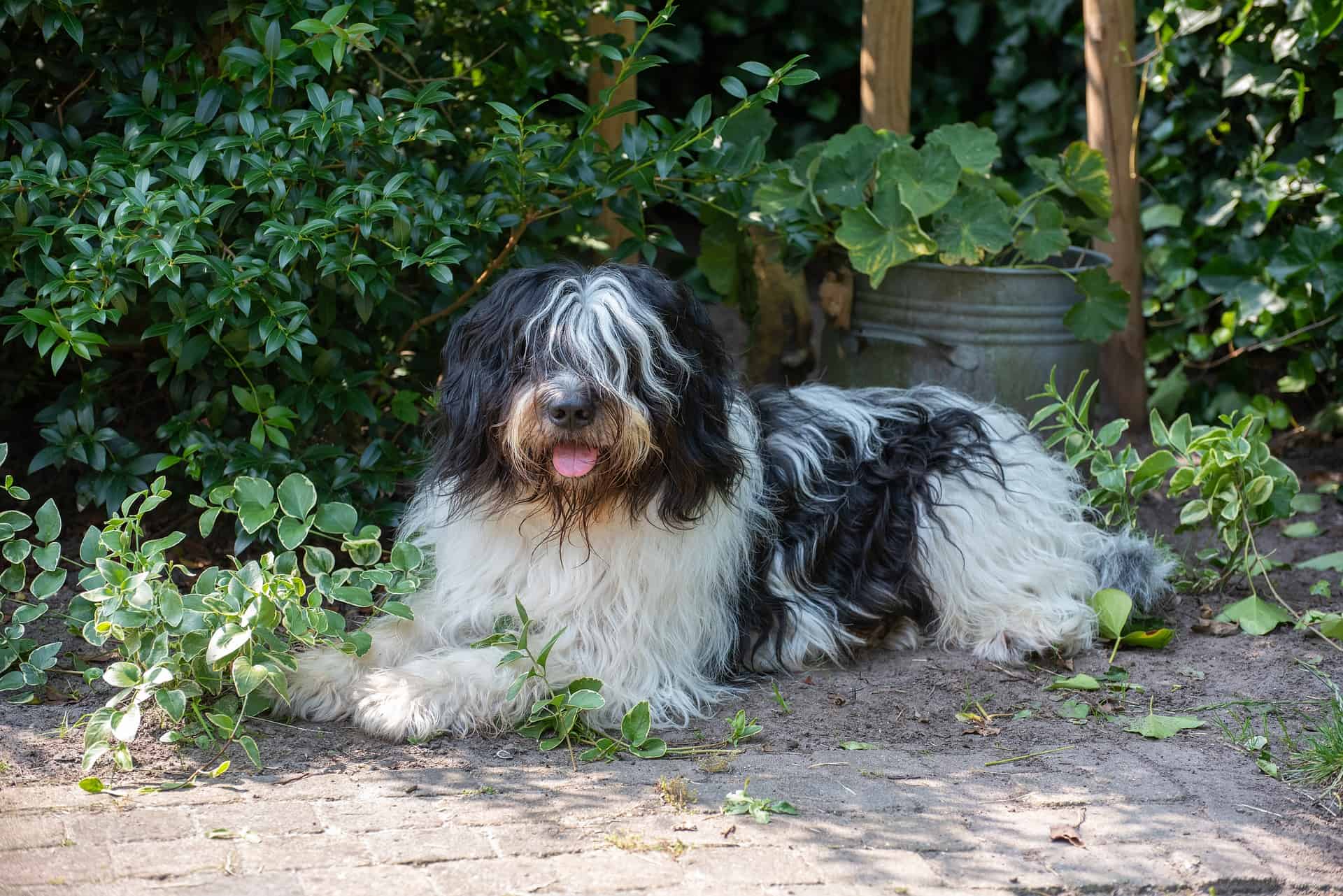
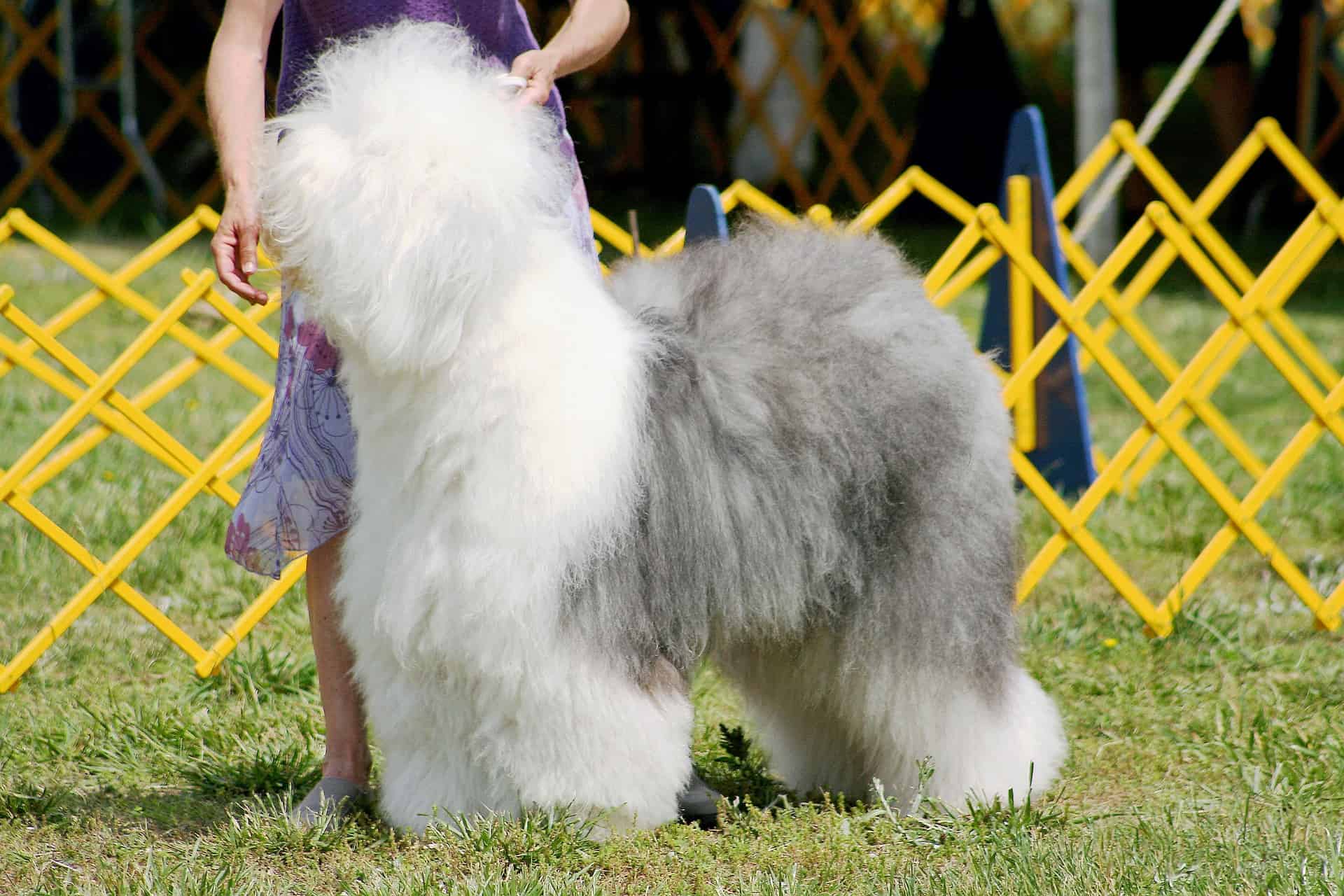
The **Bearded Collie** is the PON's closest cousin in function and appearance: both are shaggy, medium-sized British and Northern European herding dogs with similar working styles, lively personalities, and demanding coats. The **Schapendoes**, a Dutch sheepdog, shares the same basic template: a long-coated, energetic lowland herder with an independent streak developed across similar terrain and tasks. The **Old English Sheepdog** is larger but joins the group through its herding origins, its very similar profuse double coat, and a comparable combination of boisterousness and affection.
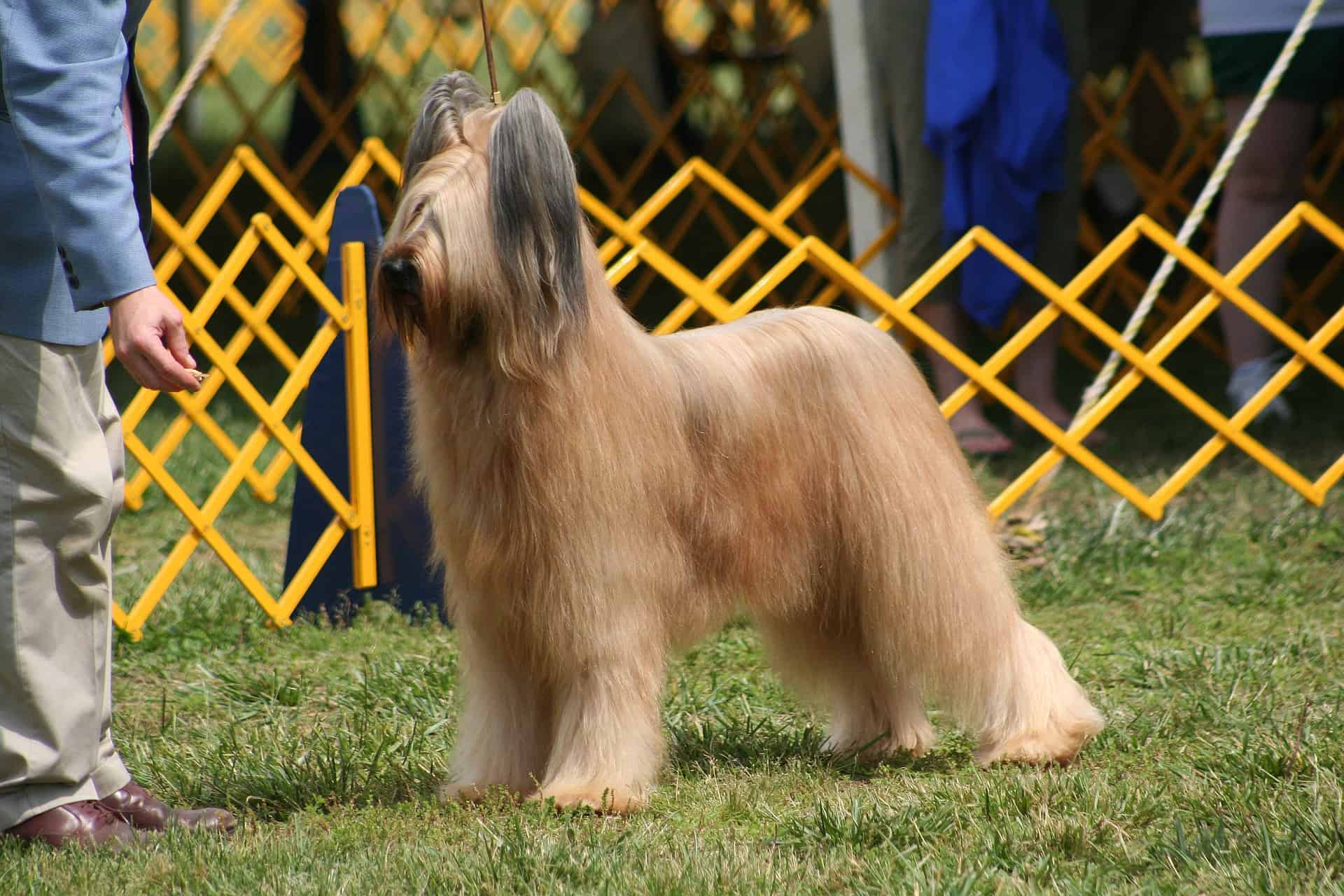
The **Briard**, France's national herding breed, brings the same serious-working-dog temperament and heavy coat maintenance, and was historically crossed with other Central European herding stock in the same broad lineage. The **Tibetan Terrier** is the historical root: the source text names Tibetan dogs as probable ancestors of the PON, and the two share that long, dense coat and watchful, loyal character that predates any formal herding breed distinction.
Trait ratings
- Energy level
- 4/5
- Exercise requirements
- 4/5
- Playfulness
- 4/5
- Affection level
- 4/5
- Friendliness toward dogs
- 3/5
- Friendliness toward other pets
- 4/5
- Friendliness toward strangers
- 2/5
- Ease of training
- 4/5
- Watchdog ability
- 5/5
- Protection ability
- 4/5
- Grooming requirements
- 4/5
- Cold tolerance
- 4/5
- Heat tolerance
- 2/5