Poodle (Toy)
From France
Purpose & Origin
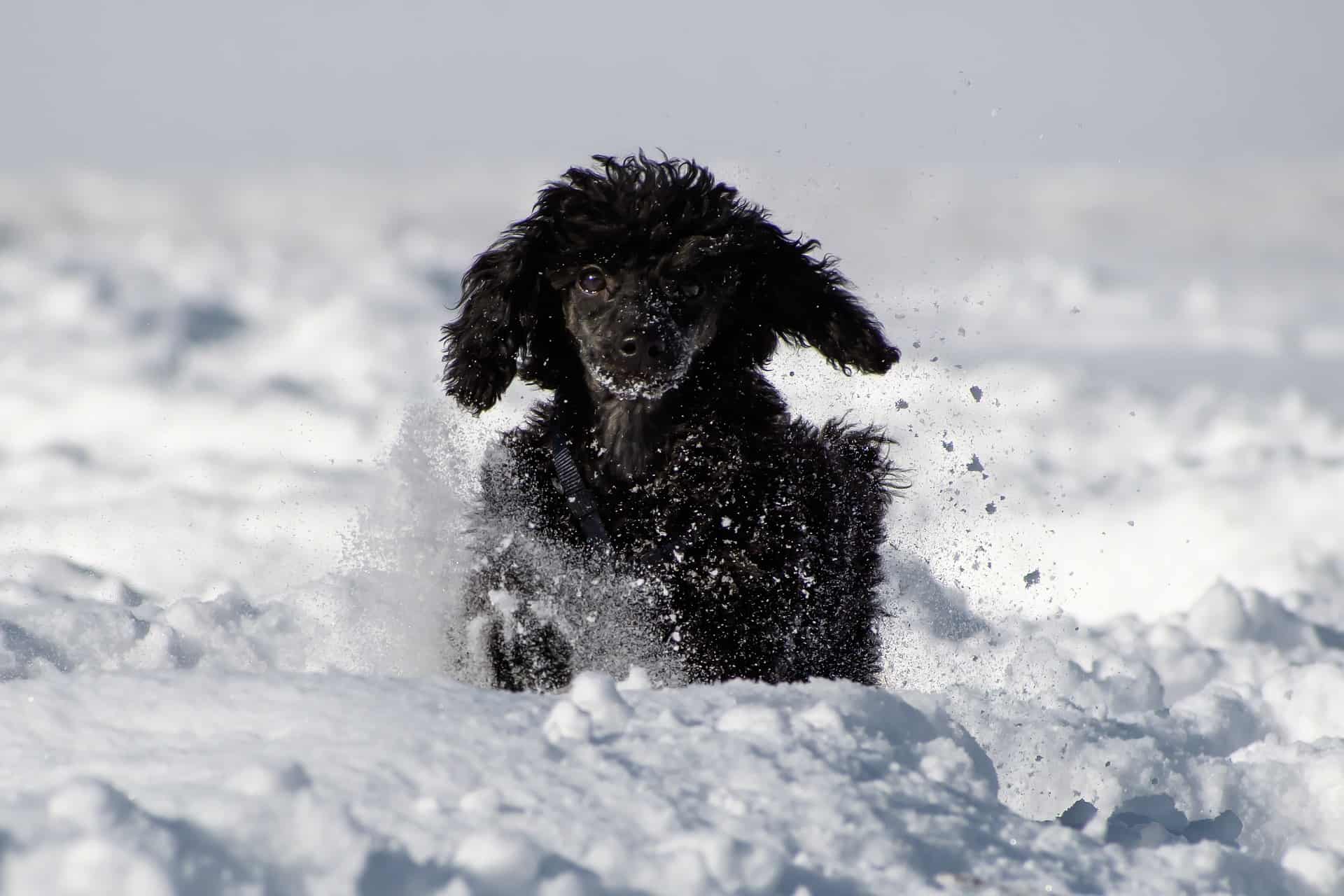
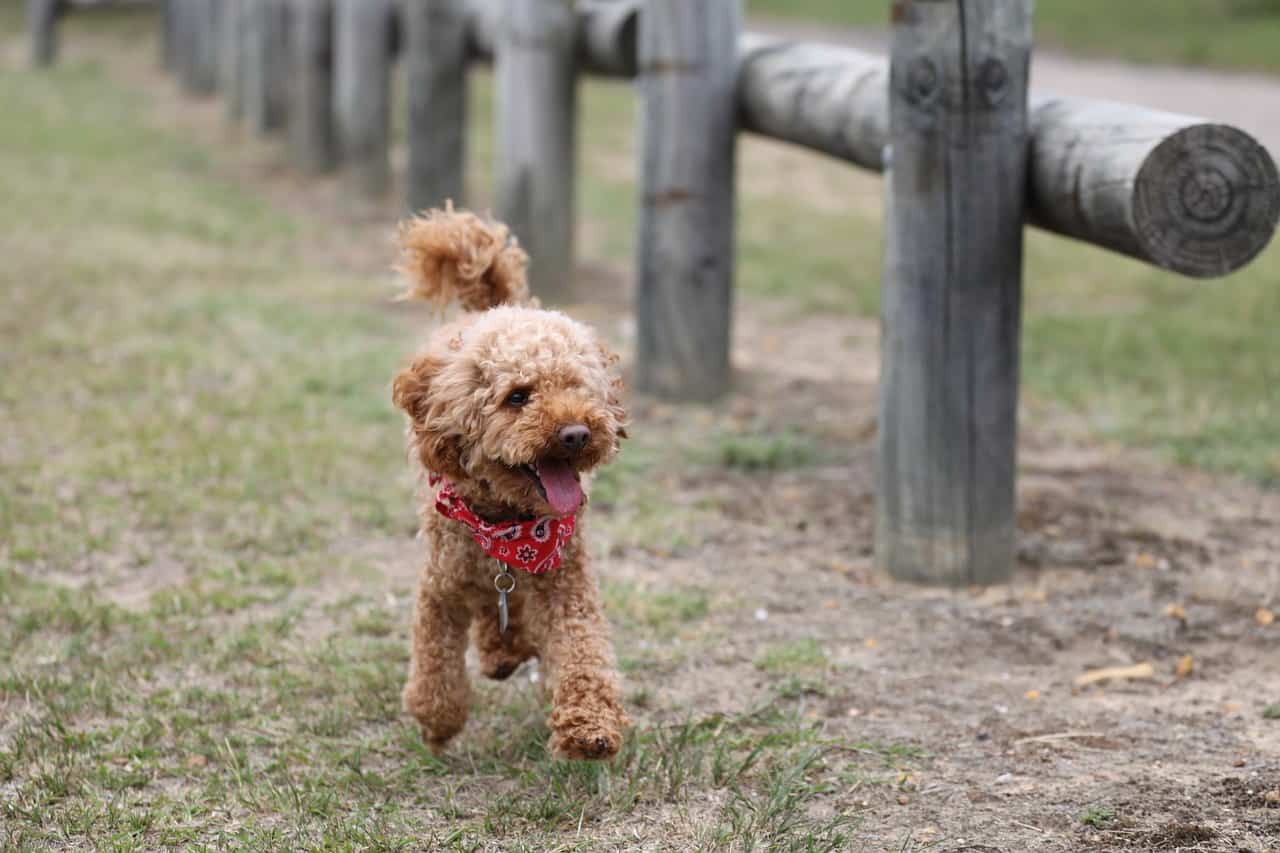
The Toy Poodle is the smallest of three Poodle varieties, scaled down from the Miniature, which was itself reduced from the Standard. The Standard's roots are German, where it worked as a water retriever. The Toy was largely developed in the United States in the first half of the 20th century and recognized by the AKC in 1943; the UK Kennel Club followed in 1957. Early miniaturization produced misshapen dogs, but careful breeding corrected those faults, and by the 1960s the Toy was a sound, well-proportioned companion. It stands no more than 10 inches at the shoulder and typically weighs 4 to 6 pounds.
Temperament & Behaviour
The Toy Poodle is sharp, socially confident, and conspicuously playful. Despite its small frame it does not behave like a fragile lapdog. Morris notes these dogs "fear no man and will courageously defend their mistresses' honour," which captures something real: the Toy is bold, opinionated, and alert. Watchdog instinct is strong; it announces visitors reliably. Affection towards family is high, and strangers are met with curiosity once the dog is well socialized. It can be reserved around other dogs if not socialized early, and does not tolerate rough handling, so households with very young children require supervision.
Activity & Training
Exercise requirements are moderate: daily walks and indoor play satisfy this dog. Its energy level is high for its size, so mental stimulation matters as much as physical exercise. Trainability is excellent, reflecting genuine working intelligence. Toy Poodles learn quickly and respond well to positive reinforcement. The intelligence cuts both ways: an under-stimulated Toy will find its own entertainment. Consistent training started early prevents the bossiness the breed can develop without boundaries.
Grooming
This is the breed's most significant practical commitment. The coat grows continuously, does not shed in the usual sense, and mats readily. Brushing every one to two days down to the roots is necessary, with professional trimming every four to six weeks. The low-shedding coat suits some allergy-sensitive owners, but the maintenance time is non-negotiable. The ears carry internal hair that needs regular cleaning to prevent infections, a common issue in this breed.
Health
Lifespan is typically 12 to 15 years, occasionally reaching 18. The breed is generally sound, but its small size creates vulnerability to patellar luxation. Progressive retinal atrophy, leading eventually to blindness, is documented in the breed and reputable breeders screen for it. Epilepsy and cataracts appear at elevated rates. Von Willebrand's disease, a clotting disorder, runs across the Poodle gene pool. The breed has low cold tolerance and is not suited to outdoor life in winter climates. Teacup variants, bred below the recognized standard, carry substantially higher health risks and are not recognized by major kennel clubs.
Why these breeds are similar
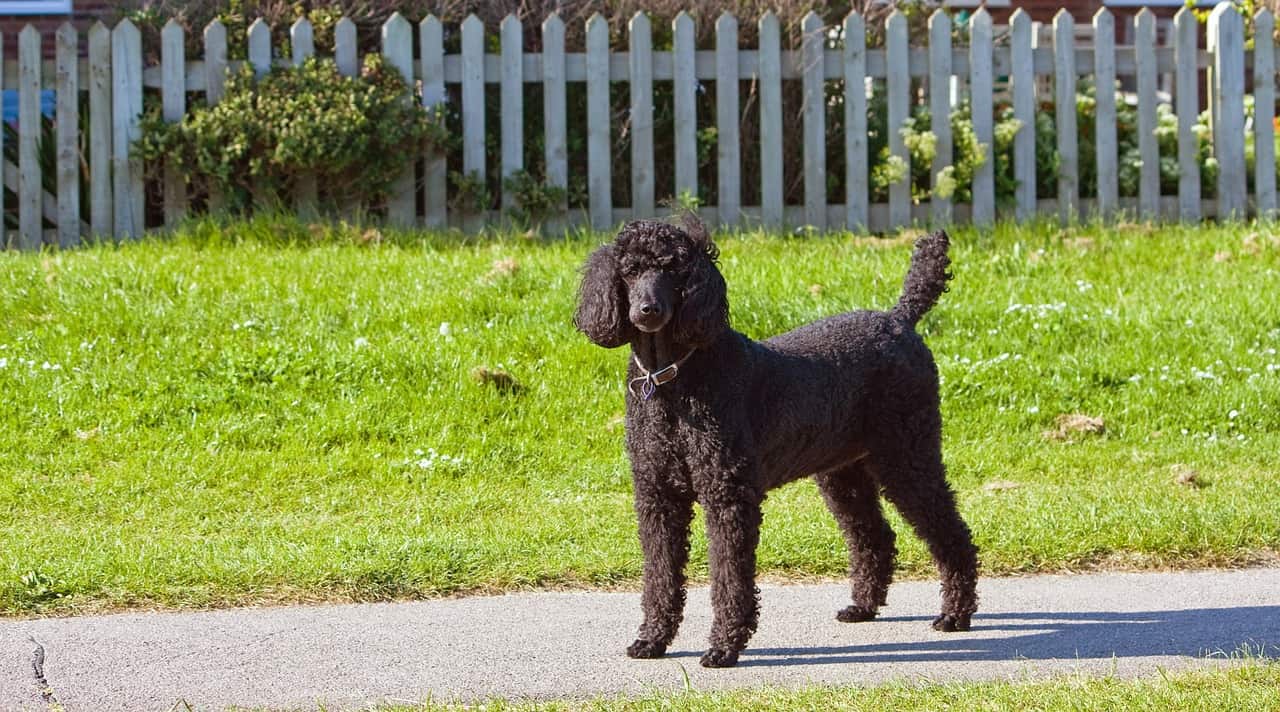
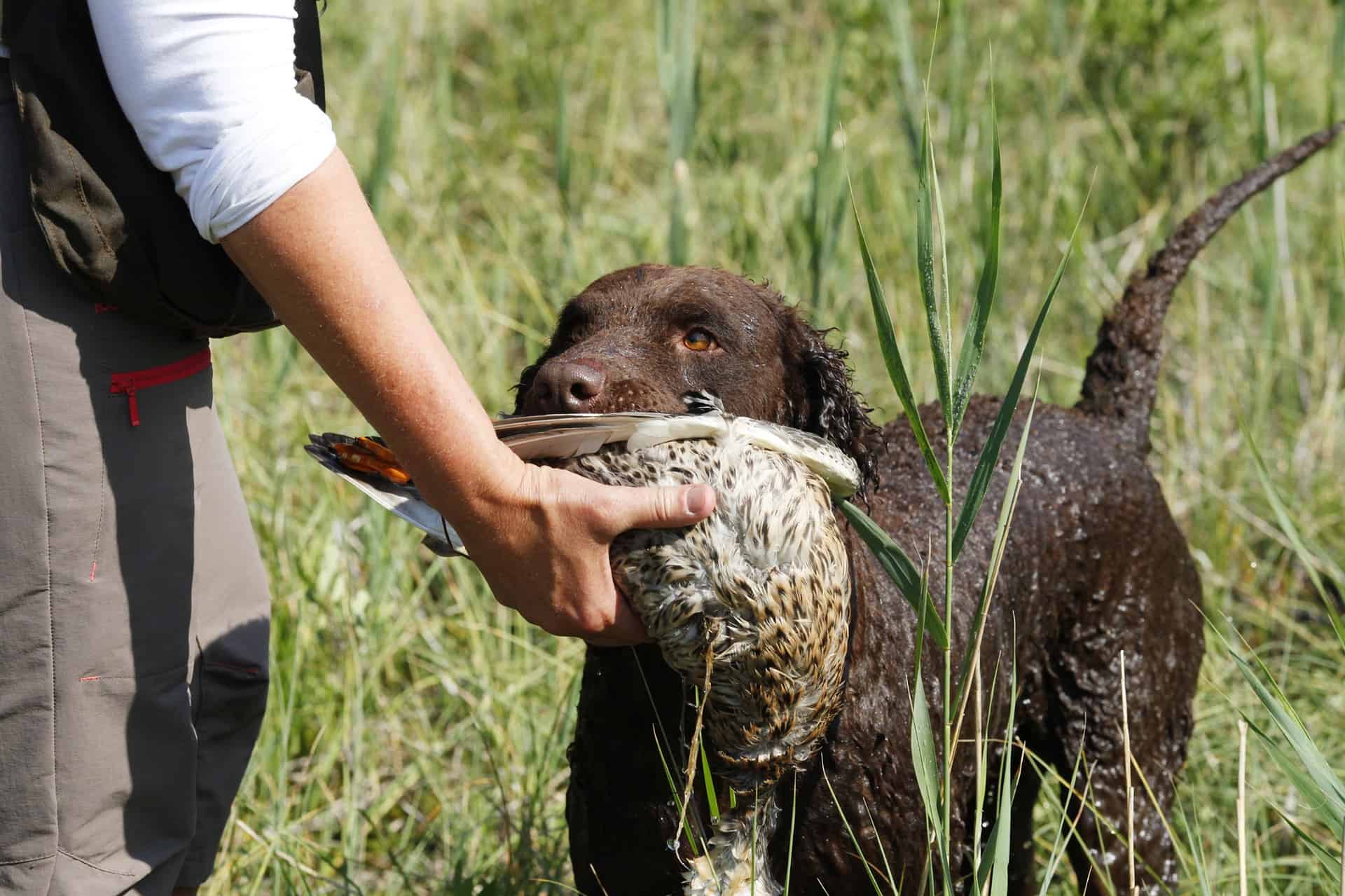
**Poodle (Miniature)** is the immediate ancestor of the Toy, sharing identical coat type, intelligence, and character; size is the only meaningful difference. **Poodle (Standard)** is the original from which both smaller varieties descend, sharing the same non-shedding curly coat and working intelligence in a much larger body. **Curly Coated Retriever** shares the dense, tight-curled water-resistant coat that defines the Poodle family's working lineage.
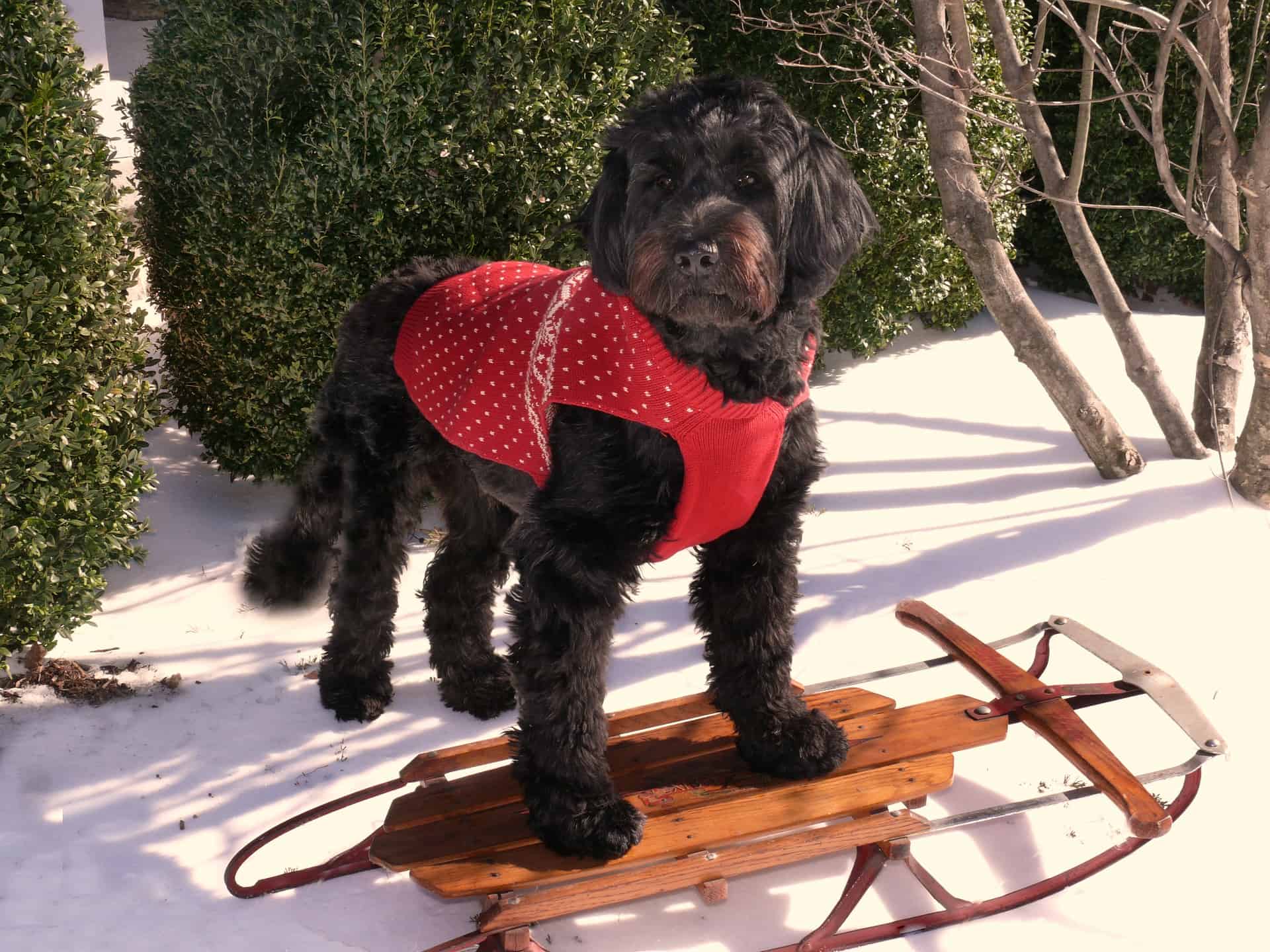
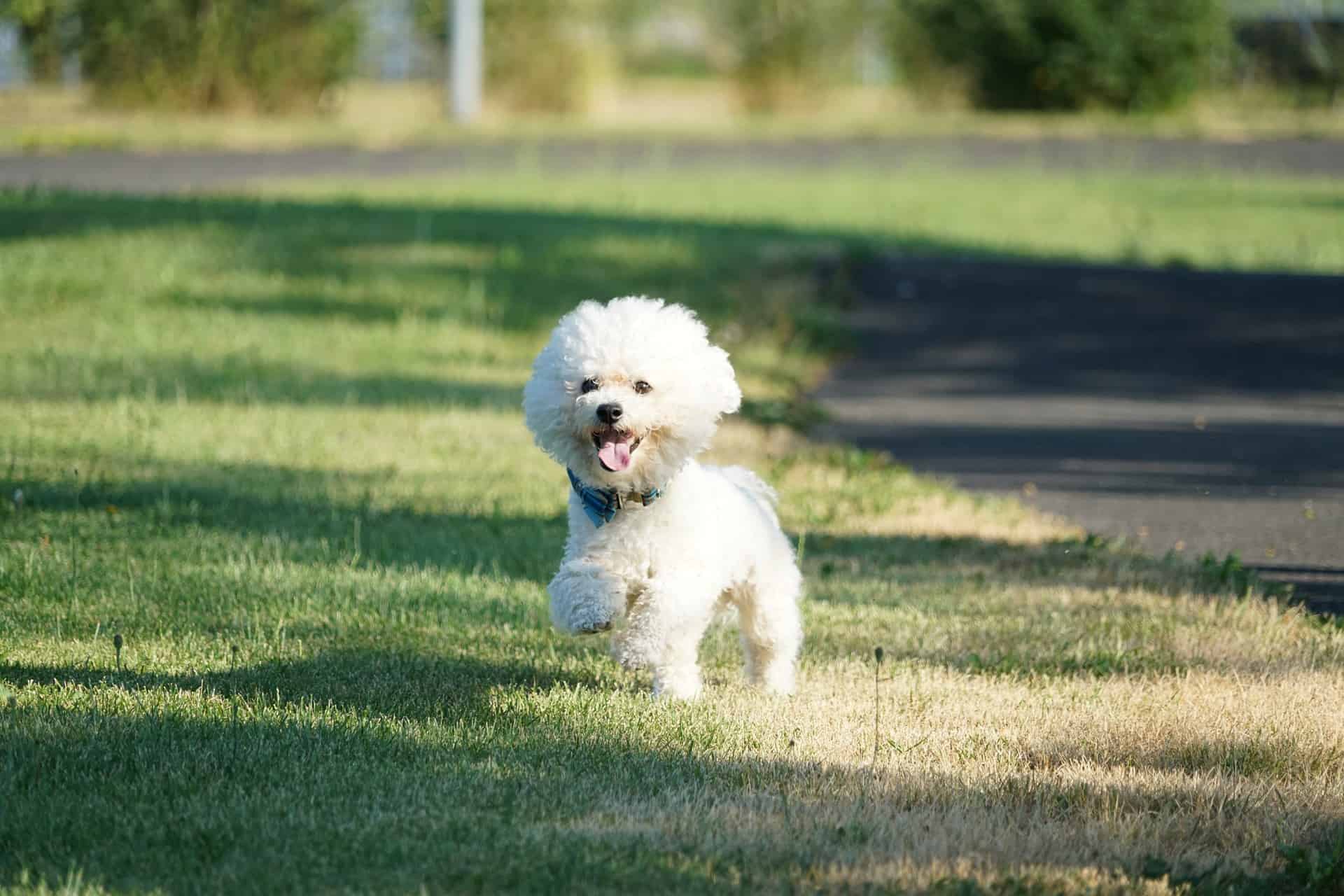
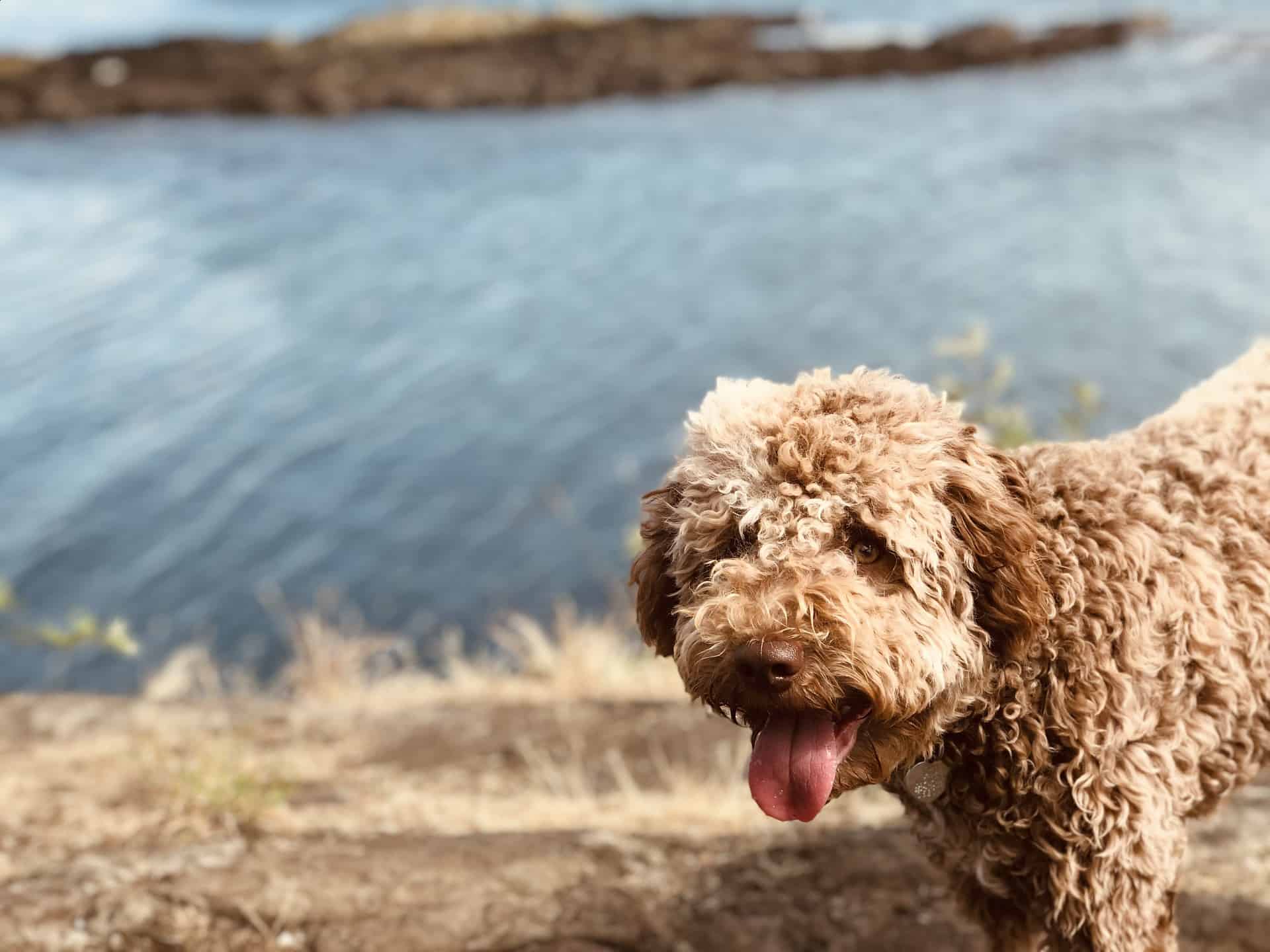
**Portuguese Water Dog** is another low-shed, curly-coated working retriever with strong trainability, often recommended for owners drawn to Poodle traits at a medium size. **Bichon Frise** matches the Toy on companion temperament, small size, and high grooming demand; the two share a history as European city dogs. **Lagotto Romagnolo** is a curly-coated Italian working dog with similar coat and intelligence, suited to owners who want Poodle traits in a more rustic package.
Trait ratings
- Energy level
- 4/5
- Exercise requirements
- 2/5
- Playfulness
- 5/5
- Affection level
- 4/5
- Friendliness toward dogs
- 3/5
- Friendliness toward other pets
- 3/5
- Friendliness toward strangers
- 4/5
- Ease of training
- 5/5
- Watchdog ability
- 5/5
- Protection ability
- 1/5
- Grooming requirements
- 5/5
- Cold tolerance
- 2/5
- Heat tolerance
- 3/5